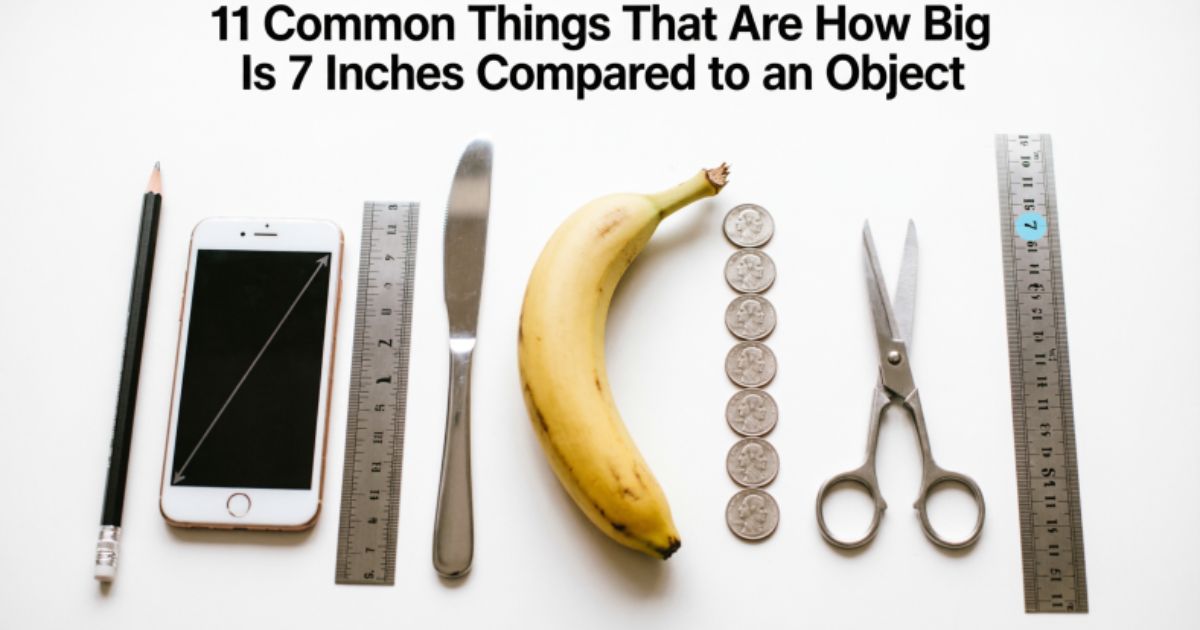

how big is 7 inches compared to an object Seven inches shows up more often than you’d think. It’s the size of a dinner fork, a small tablet, or a stretched-out hand. So how big is 7 inches compared to an object you already own. That’s the easiest way to picture it. Grab a paperback book or a TV remote and you’re holding roughly seven inches. Simple, right.
This guide breaks down how big is 7 inches compared to an object in plain terms. No rulers needed. Just everyday items you already touch each day. We’ll walk through knives, gadgets, and even your own hand. By the end, you’ll know exactly how big is 7 inches compared to an object without guessing. Measuring gets easier once you have real things to compare it to.
Common Items That Are About 7 Inches Long
Read more:What Time Was It 12 Hours Ago?
You don’t need a measuring tape to picture seven inches. Look around your kitchen or your desk. A dinner fork, a small tablet, or a large TV remote all land close to this mark. These items feel familiar because you use them daily. That familiarity makes seven inches easy to picture without any tools. Once you know a few examples, you’ll start spotting this length everywhere.
Here’s a quick table to make comparisons even faster. Each item below measures close to seven inches. Use this list whenever you need a fast visual reference.
| Common Item | Approximate Length |
| Standard kitchen knife | 7 inches |
| Medium tablet screen | 7 inches |
| One and a half dollar bills | 7 inches |
| Adult hand span | 7 inches |
| Paperback book height | 7 inches |
| Large TV remote | 7 inches |
| Hairbrush | 7 inches |
| Small ruler | 7 inches |
| Notebook width | 7 inches |
| Dinner fork | 7 inches |
| Sunglasses (unfolded) | 7 inches |
How Big Is 7 Inches?
Seven inches sits right in the middle. It’s not tiny, and it’s not huge either. In other units, it equals 0.58 feet or 17.78 centimeters. That makes it easy to convert if you’re used to the metric system. Picture something a bit longer than your phone but shorter than a full sheet of paper. That mental image alone helps you judge size fast, even without a ruler nearby.
Everyday objects make this measurement click. A dinner fork, a paperback book, or a stretched hand all hit close to seven inches. Place two items side by side, and you’ll notice small differences right away. A six-inch object looks just a touch shorter. An eight-inch one looks noticeably longer. Comparing objects this way trains your eye over time, so guessing length becomes second nature.
1. Standard Kitchen Knife
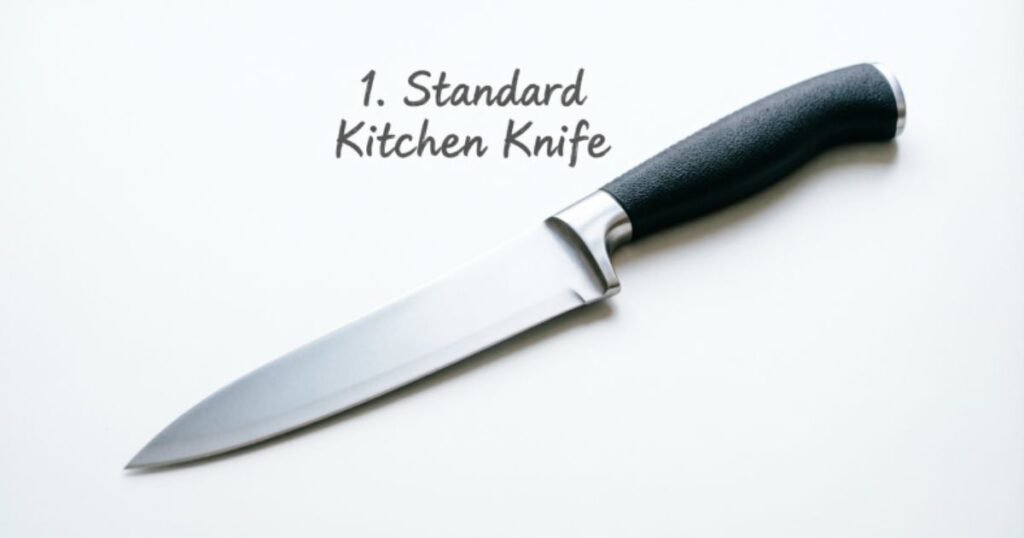
Walk into any kitchen, and you’ll likely find a knife close to seven inches long. This size works well for slicing vegetables, cutting meat, or chopping herbs. It’s not too bulky, yet it’s long enough to handle bigger cutting jobs with ease. Chefs and home cooks both reach for this size often, since it balances control and reach so well in daily meal prep.
Lay the knife flat on a cutting board, and you’ll see the full seven inches at once. That visual makes it a handy reference for other measurements too. Comparing drawer space or storage container size becomes simple once you picture this knife lying flat. Its straight, rigid shape leaves no room for guesswork.
2. Medium Tablet Screen
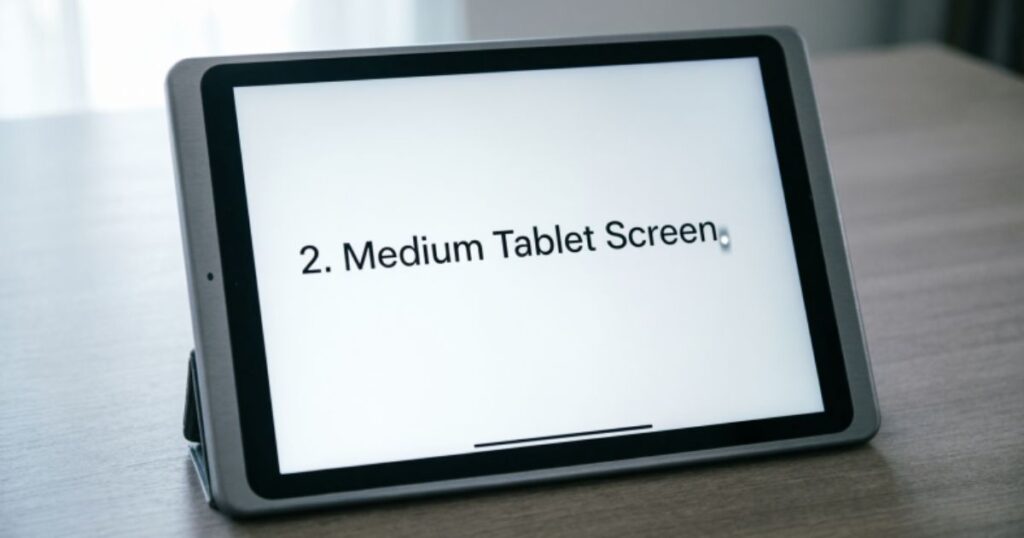
Plenty of compact tablets come with screens measuring close to seven inches diagonally. This size hits a sweet spot. It’s big enough for reading, browsing, and watching videos, yet small enough to slip into a bag or even a large pocket. Many people choose this size specifically because it balances a real screen experience with true portability.
Hold one upright, and you’ll feel how far seven inches stretches in your hand. The screen’s clean edges make it easy to compare against other electronics or cases. Whether you’re picking a sleeve, a stand, or a travel bag, this tablet size gives you a solid, real-world reference point for fitting things properly.
3. One and a Half US Dollar Bills

A single dollar bill measures a little over six inches long. Add half of another bill, and you land close to seven inches total. Since almost everyone handles cash at some point, this comparison works well without needing any special tools. Just lay the bills flat, end to end, and you’ve got a rough but handy measuring stick.
This trick comes in handy more often than you’d expect. Sizing up an envelope, a small pouch, or a document sleeve gets easier with bills as your guide. Bills stay flat and consistent in size, so the comparison holds up well. It’s not perfect, but it’s fast, familiar, and always within reach.
4. Adult Hand Span (Thumb to Pinky)

Stretch your hand out fully, from thumb tip to pinky tip, and you’ll likely land somewhere close to seven inches. Hand size varies from person to person, but this trick still works as a fast estimate. No ruler, no app, just your own hand. Builders, tailors, and crafters have used this method for ages when precision wasn’t critical.
This comparison also helps with smaller objects. Something like a set of keys measures closer to three inches, or about half a hand span. Lining up your hand next to an object gives you an instant sense of scale. It’s not exact, but it’s fast and always available, wherever you happen to be.
5. Paperback Book Height
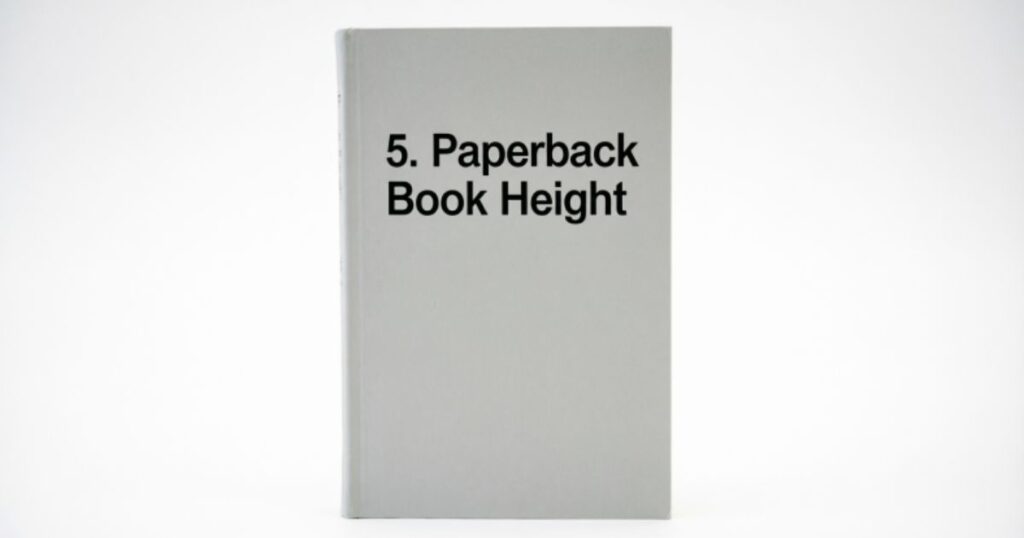
Most paperback books stand close to seven inches tall. That size isn’t random. Publishers land on it because it balances comfortable reading with easy portability. You can hold it in one hand, slip it into a bag, or stack it on a shelf without much hassle. It’s a size readers have grown used to for decades.
Stand one upright next to another object, and the comparison becomes obvious. This trick works well for judging shelf space or bag dimensions. A smaller pocket journal might measure closer to four inches wide, making the difference easy to spot. Once you notice the gap, sizing up other objects becomes far more intuitive.
6. Large TV Remote Control
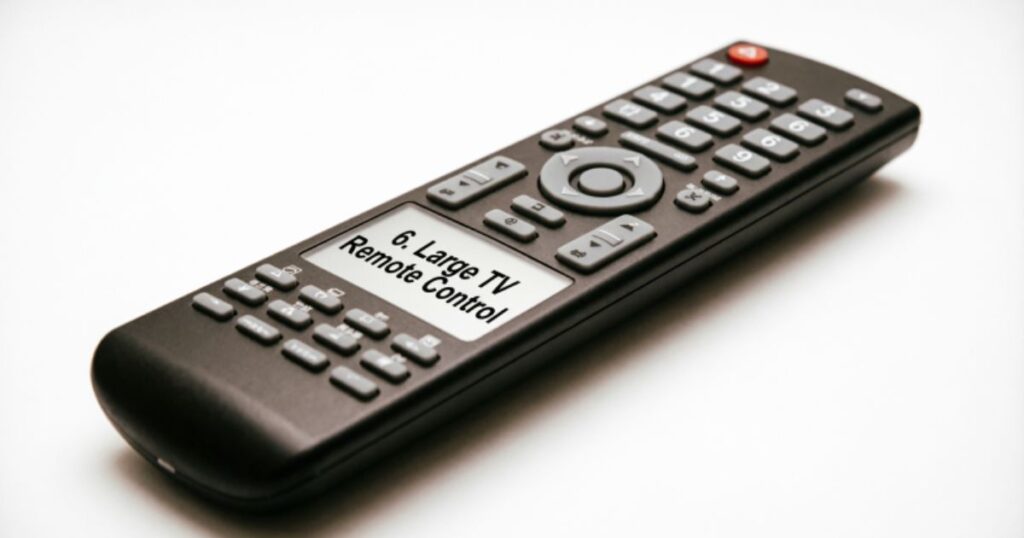
Universal or large TV remotes often stretch close to seven inches long. The extra buttons and features add length compared to smaller, simpler remotes. Since most households use one daily, its size becomes second nature without anyone measuring it on purpose. You just know how it feels resting in your hand or sitting on the couch arm.
Place it flat on a table or armrest, and the length becomes obvious at a glance. This makes it a solid go-to reference for furniture storage or drawer organizers. Because remotes stay rigid and consistent in shape, comparing them to other items gives a dependable, no-fuss way to judge length around the house.
7. Hairbrush

Many hairbrushes, especially compact or travel-sized ones, measure close to seven inches. That length keeps the brush easy to hold while still leaving room for bristles to do their job well. Since people use brushes daily, most already have a rough sense of their size without ever pulling out a tape measure.
Lay one flat, and you get a clean, straight line to compare against other items. This makes hairbrushes a handy stand-in when judging space in a drawer, bag, or toiletry kit. Their rigid handle holds a consistent shape, so the comparison stays reliable no matter which brush style you happen to own.
8. Small Ruler
Some rulers come manufactured at exactly seven inches, built specifically for compact use. You’ll often find them tucked into pencil cases, toolboxes, or small craft kits. Because rulers exist purely to measure things, they offer one of the most exact ways to picture this length without any guesswork involved.
Even just picturing a small ruler’s full length in your mind builds a strong mental reference. That image sticks with you longer than most comparisons. Reach for one during school projects, crafts, or any task needing real precision, and you’ll have an exact seven-inch reference sitting right in your hand.
9. Notebook Width
Plenty of standard notebooks measure close to seven inches wide. That width gives you enough room to write comfortably while keeping the notebook light enough to carry around all day. Students and office workers both rely on this size because it strikes a solid balance between usability and portability.
Hold one horizontally, and the width gives you a clean, easy reference point. This comparison works well for judging desk space, shelf width, or the size of a storage box. Since notebooks show up in schools and offices everywhere, most people already have a rough sense of this width without thinking twice.
10. Dinner Fork
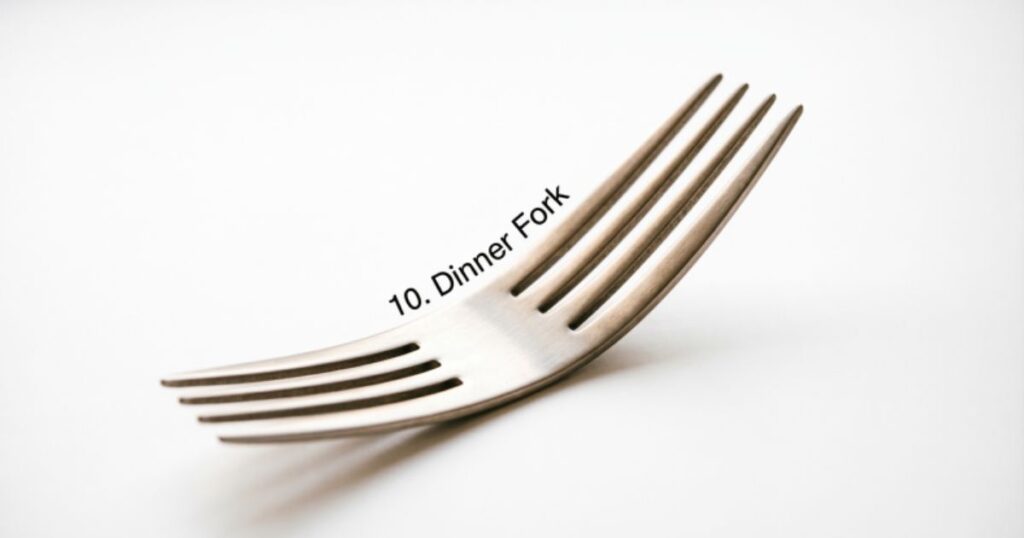
A standard dinner fork usually measures close to seven inches long. That length gives you a comfortable, balanced grip during meals, whether you’re cutting through a steak or twirling pasta. Smaller forks, like the ones used for dessert, measure shorter, often closer to six inches, making the size difference easy to notice.
Since forks show up at nearly every meal, their length feels familiar without much thought. Lay one flat on a table, and you’ll see the full seven-inch span in one glance. That makes cutlery a surprisingly reliable go-to when you’re eyeballing drawer space or organizing a table setting.
11. Sunglasses (Unfolded)
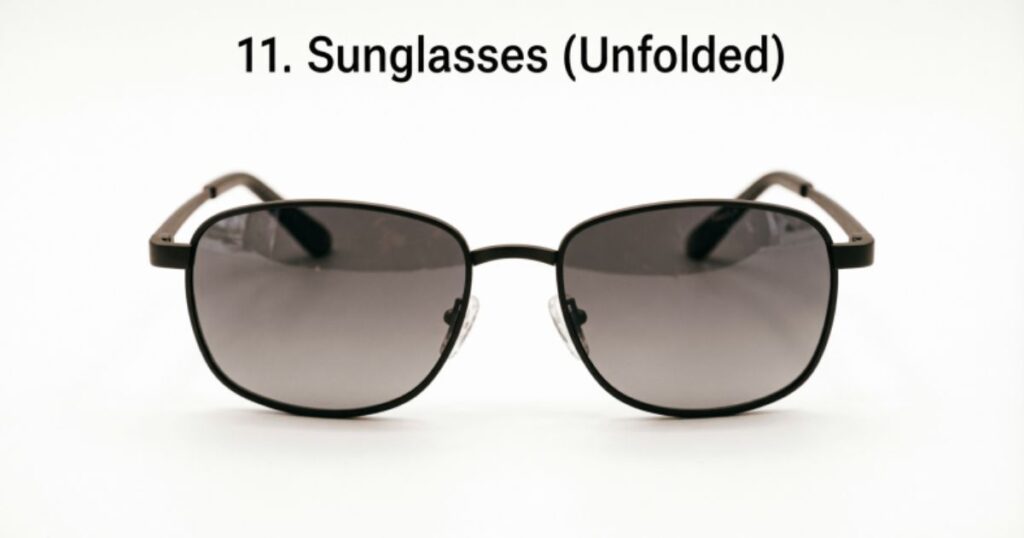
Unfold a pair of sunglasses fully, and the length from one temple tip to the other often lands close to seven inches. Designers build them this way to fit comfortably across most adult face widths. Since sunglasses stay rigid and symmetrical, their shape makes size comparisons simple and consistent.
Because so many people carry a pair daily, this length feels familiar even without measuring it directly. Use unfolded sunglasses as a reference when sizing up cases, pouches, or bag compartments. Their straight, even shape leaves little room for confusion, making them one of the easiest everyday comparisons around.
FAQ’S
How big is 7 inches compared to an object I use daily
Seven inches is close to a dinner fork or a large TV remote. Both fit easily in your hand and give you a quick, reliable size reference.
How big is 7 inches compared to an object like a book
A paperback book’s height often measures around seven inches. Stand one upright next to something else, and you’ll instantly see how the length compares.
How big is 7 inches compared to an object you can measure with your hand
Stretch your hand fully from thumb to pinky. For most adults, that span lands close to seven inches, no ruler needed at all.
How big is 7 inches compared to an object like money
A dollar bill measures just over six inches. Add half of another bill, and you’re looking at roughly seven inches lying flat.
How big is 7 inches compared to an object used in tech
Many compact tablets have screens measuring close to seven inches diagonally. That size feels substantial, yet still slips easily into a small bag.
Conclusion
So, how big is 7 inches compared to an object. By now, you’ve got a clear answer. It’s a fork, a remote, or a stretched-out hand. These everyday items make the size easy to picture. You don’t need a ruler to understand how big is 7 inches compared to an object. Just look around your home. Chances are, something close by already matches this length.
Keep this guide handy next time you need a quick estimate. Understanding how big is 7 inches compared to an object saves time and guesswork. Simple comparisons work better than numbers alone. Trust your eyes, use familiar objects, and measuring gets easier every time.
