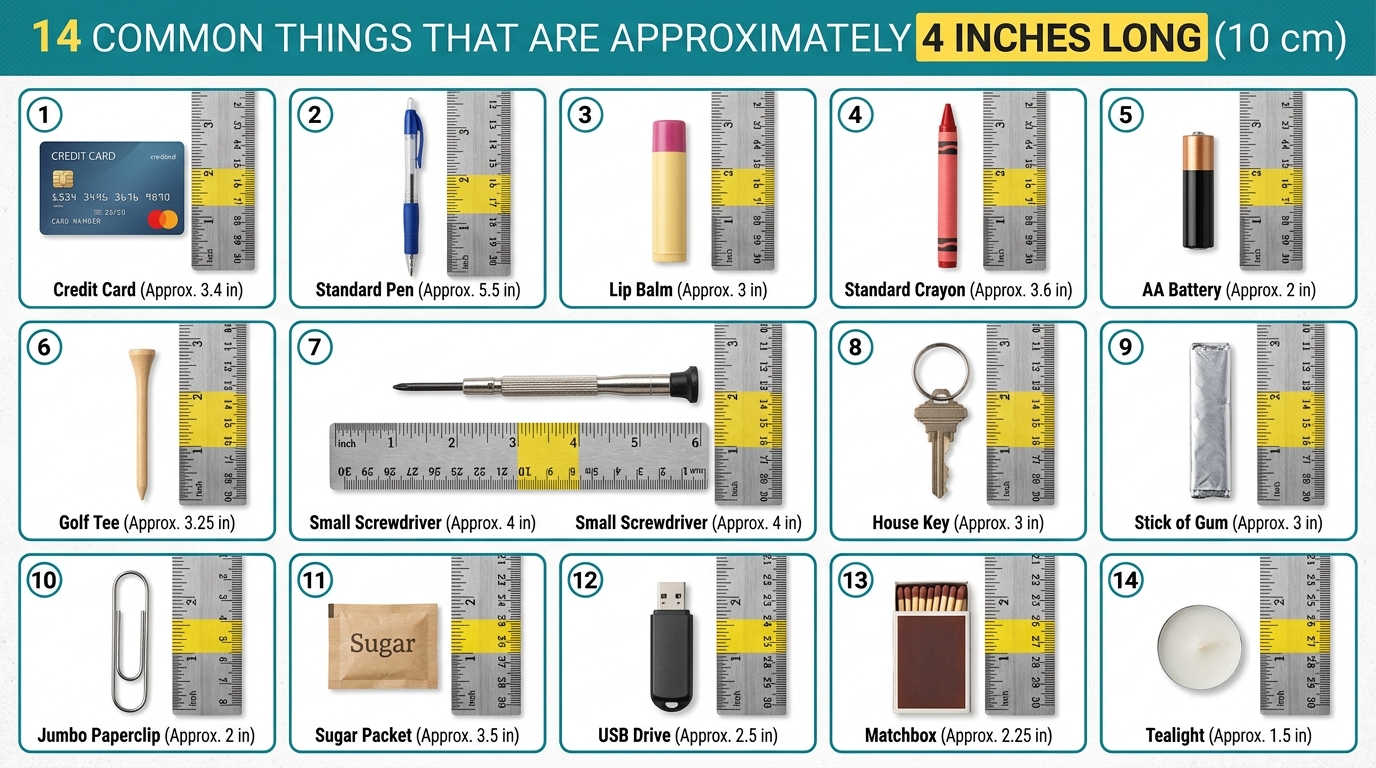

Four inches isn’t a huge length, but it shows up more than you’d think. It’s about a third of a foot, or just over 10 centimeters. That’s why this list of 14 Common Things That Are 4 Inches Long comes in handy. You don’t need a ruler for every little task. You just need a few familiar objects to compare against.
That’s exactly what this guide gives you. Each item on this list of 14 Common Things That Are 4 Inches Long is something you already know well. A golf tee. A pocket comb. Half a stick of butter. Once you see these examples, 4 inches stops feeling abstract. It becomes something you can picture instantly, anytime you need it.
Learn more:How Long Is an Inch? 10 Common Items That Are About an Inch Long
How Big Is 4 Inches?
Four inches equals 10.16 centimeters. It’s also about a third of a foot. That makes it a small length, but not a tiny one. You’ll spot it in everyday items like phone screens, kitchen tools, and office supplies. Once you know a few real-world examples, this size becomes easy to picture. No ruler needed. Just a quick mental snapshot works fine.
Here’s a simple breakdown to keep handy:
| Unit | Converted Value |
| Feet | 0.33 ft |
| Centimeters | 10.16 cm |
| Millimeters | 101.6 mm |
| Meters | 0.102 m |
These numbers come in handy for shopping, DIY projects, or quick comparisons. Knowing the exact conversion helps you avoid guesswork. It also saves time when you’re checking product listings online. A tape measure isn’t always within reach, but math is. Keep these figures in your back pocket for fast reference whenever four inches comes up in daily life.
1. Credit Card Length (Very Close Reference)
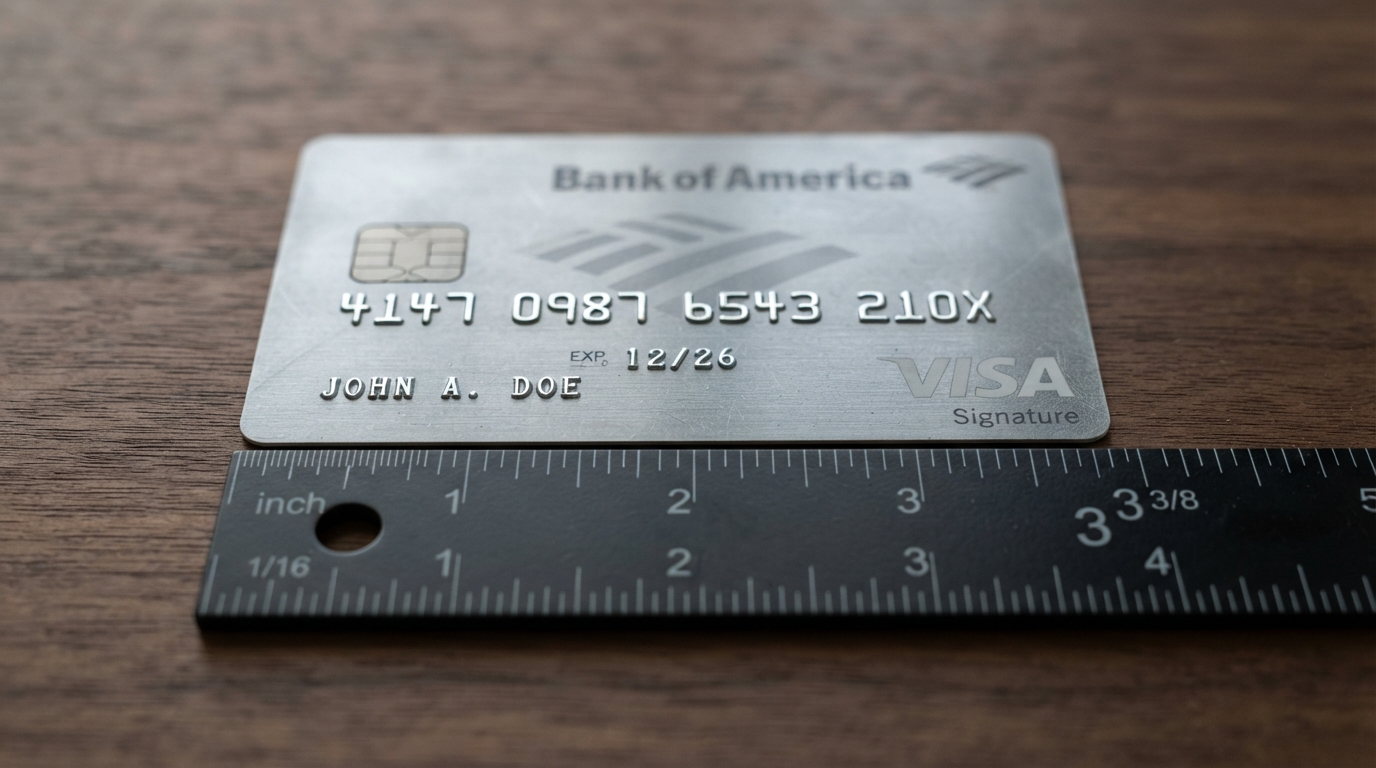
A standard credit card measures 3.37 inches long. That’s a bit short of four inches, but still a solid reference point. Add the width of a fingertip, and you’re right there. Cards have straight edges and a firm shape. That makes them easy to line up against other objects for a quick size check.
This trick works great for online shopping. Small items like phone mounts, wallet tools, or compact gadgets often fall near this range. Grab a card from your wallet next time you’re unsure about size. Hold it next to the item in question. You’ll get a fast, reliable estimate without digging out a tape measure.
2. Standard Golf Tee
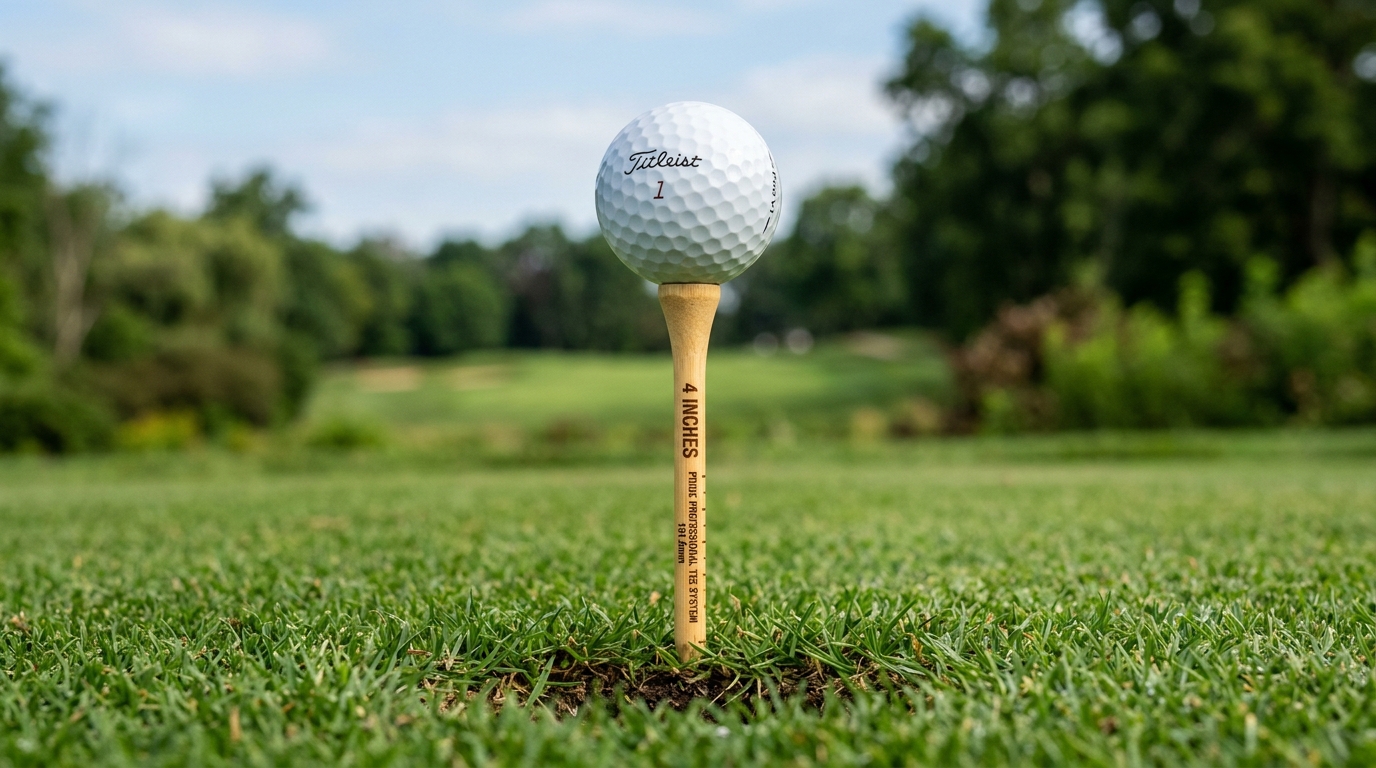
A classic golf tee runs close to four inches long. It’s one of the most accurate everyday objects for this measurement. Tees are made to consistent specs, so you can trust the size every time. Their slim, narrow shape also makes the length obvious at a glance, even from a few feet away.
You don’t need to play golf to use this reference. Tees show up in garages, sports stores, and junk drawers everywhere. Pick one up and hold it next to something you’re measuring. The comparison is instant. It’s a small object, but it gives you a surprisingly precise sense of scale.
3. Width of an Adult Palm
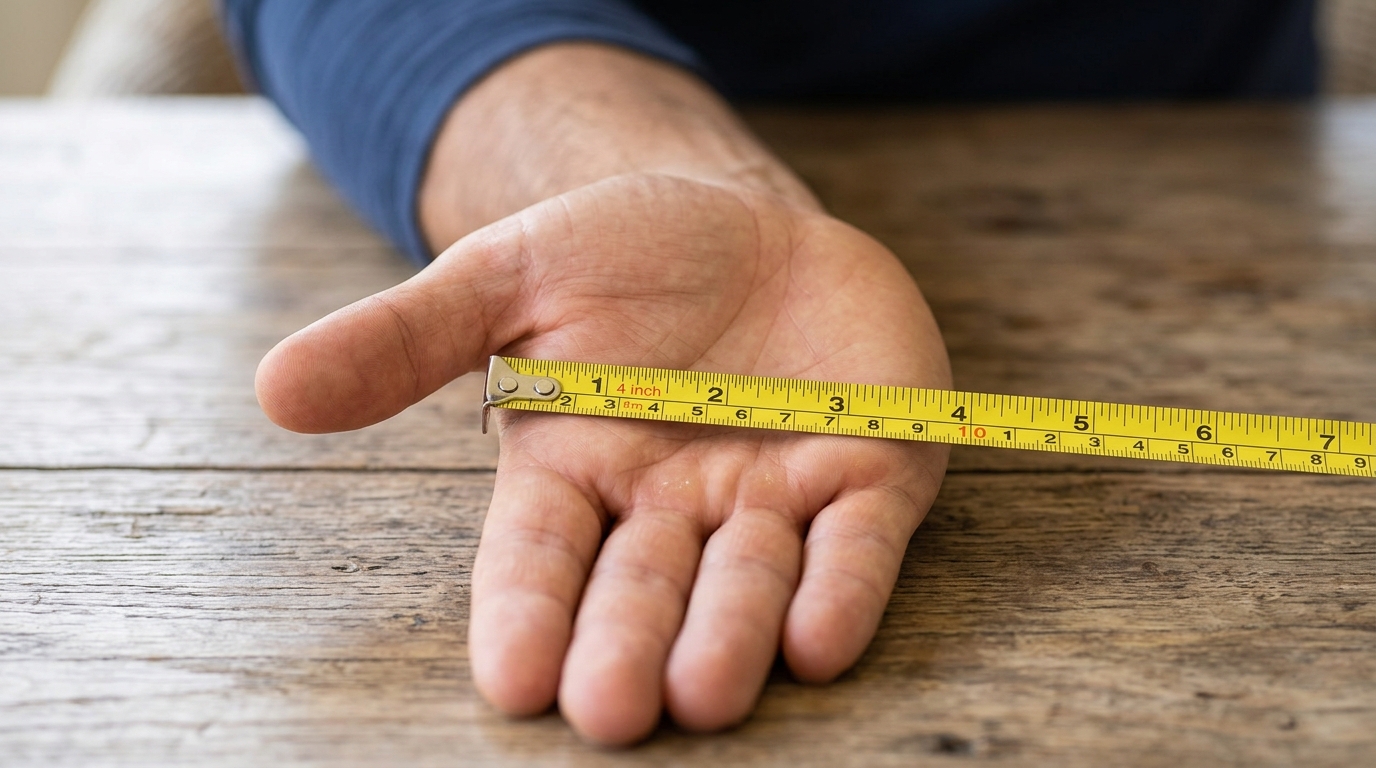
Most adult palms measure around four inches across, not counting the thumb. Hand size varies a little from person to person, but this estimate holds up well for the average adult. Since your hands are always with you, this method works anywhere. No searching for a ruler required.
Just place your palm flat against the object you’re checking. It gives you a fast read on size. This works well for spacing things out, lining up items, or eyeballing dimensions before you commit to a purchase. It’s not lab-precise, but it’s close enough for most everyday situations.
4. Small Smartphone Screen (Diagonal Measurement)
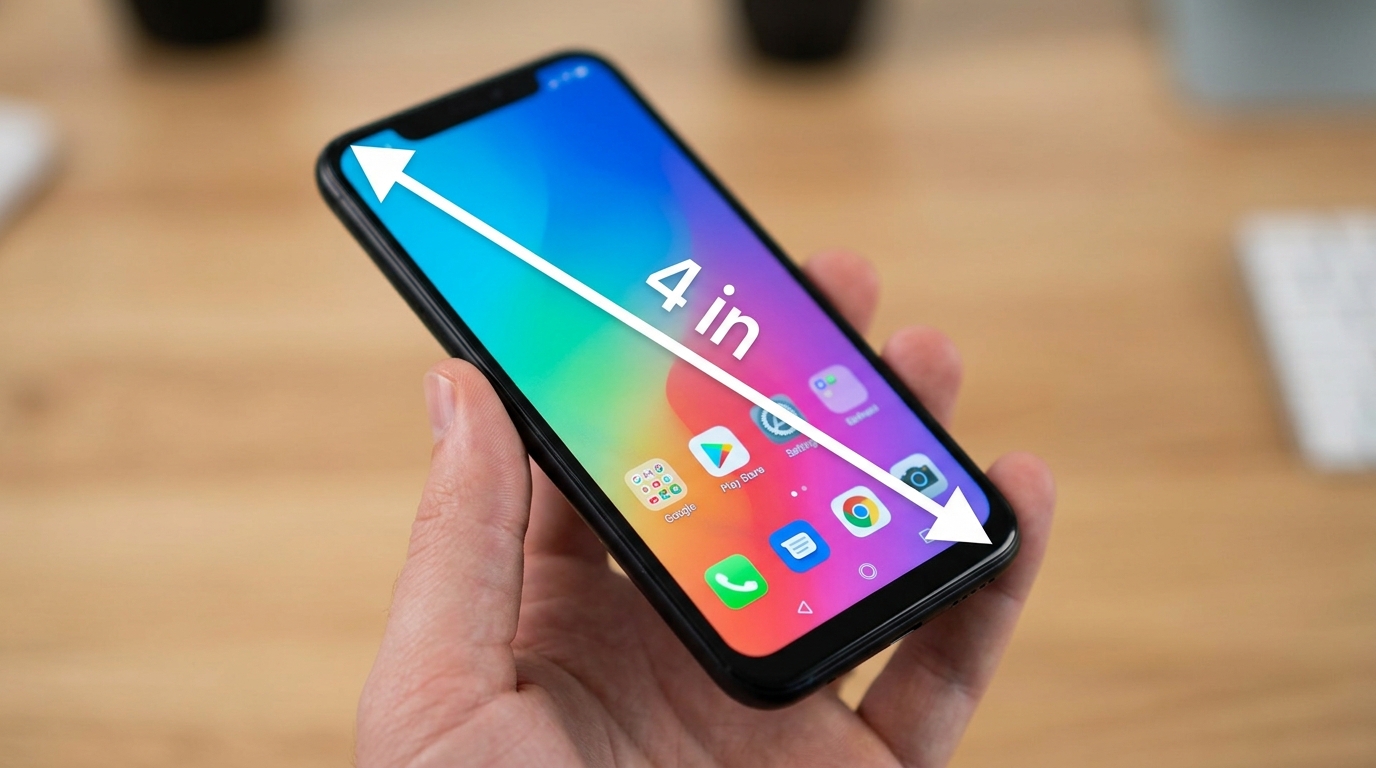
Older, compact smartphones often had screens close to four inches, measured corner to corner. That diagonal line runs from one edge of the screen to the opposite edge. These smaller phones were built for one-hand use. You could reach every corner of the screen without stretching your thumb.
If you’ve ever held one of those older models, you already know this size by feel. It’s compact, light, and easy to grip. That familiar in-hand feeling gives you a strong mental image for four inches. It’s noticeable, but it never feels bulky or awkward to carry around.
5. Half a Stick of Butter
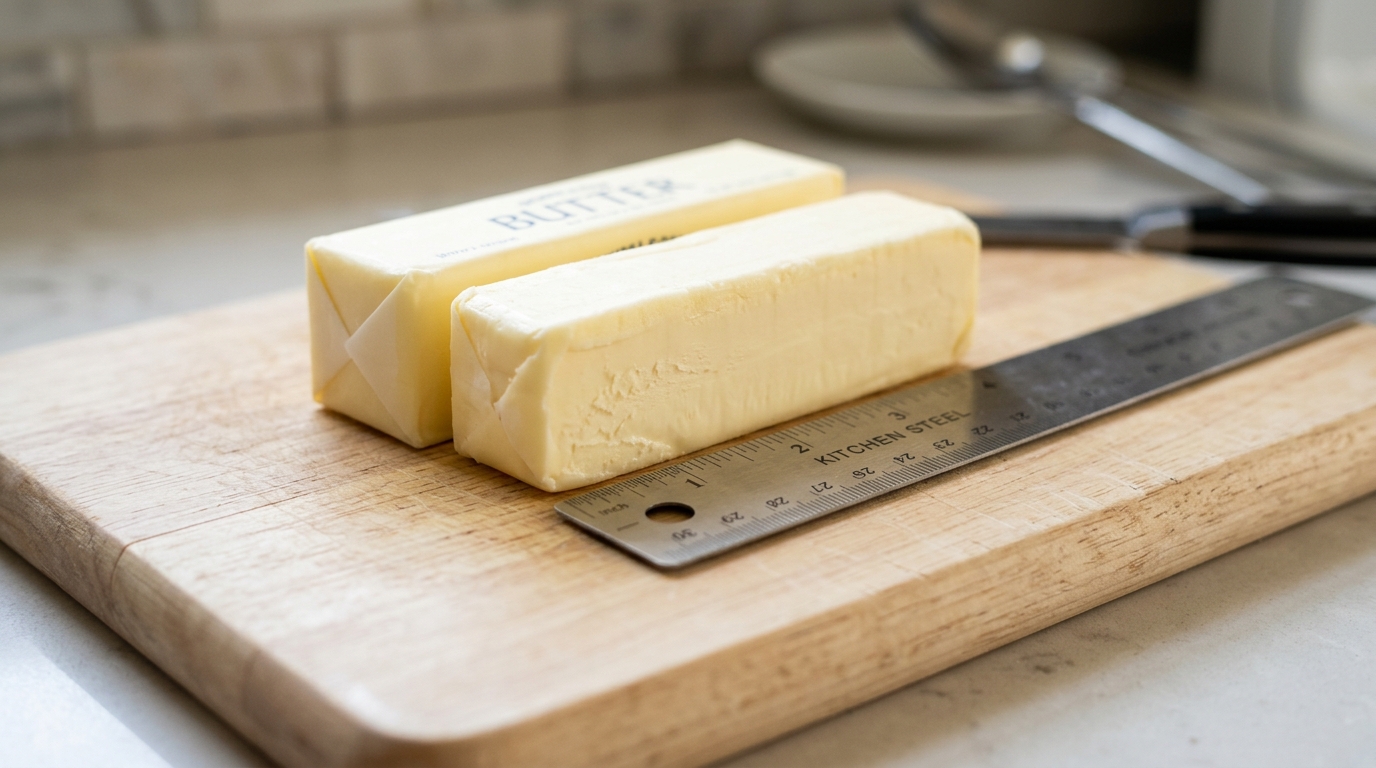
In the U.S., a full stick of butter measures eight inches. Cut it in half, and you land right at four inches. Butter wrappers often include printed measurement lines, which makes this comparison especially accurate. Bakers and home cooks run into this size constantly without even thinking about it.
Next time you’re in the kitchen, glance at a stick of butter before you slice it. The midpoint marks exactly four inches. It’s a reference you already have in your fridge. This one’s especially useful if you cook often and want a size check without extra tools.
6. Larger USB Flash Drive
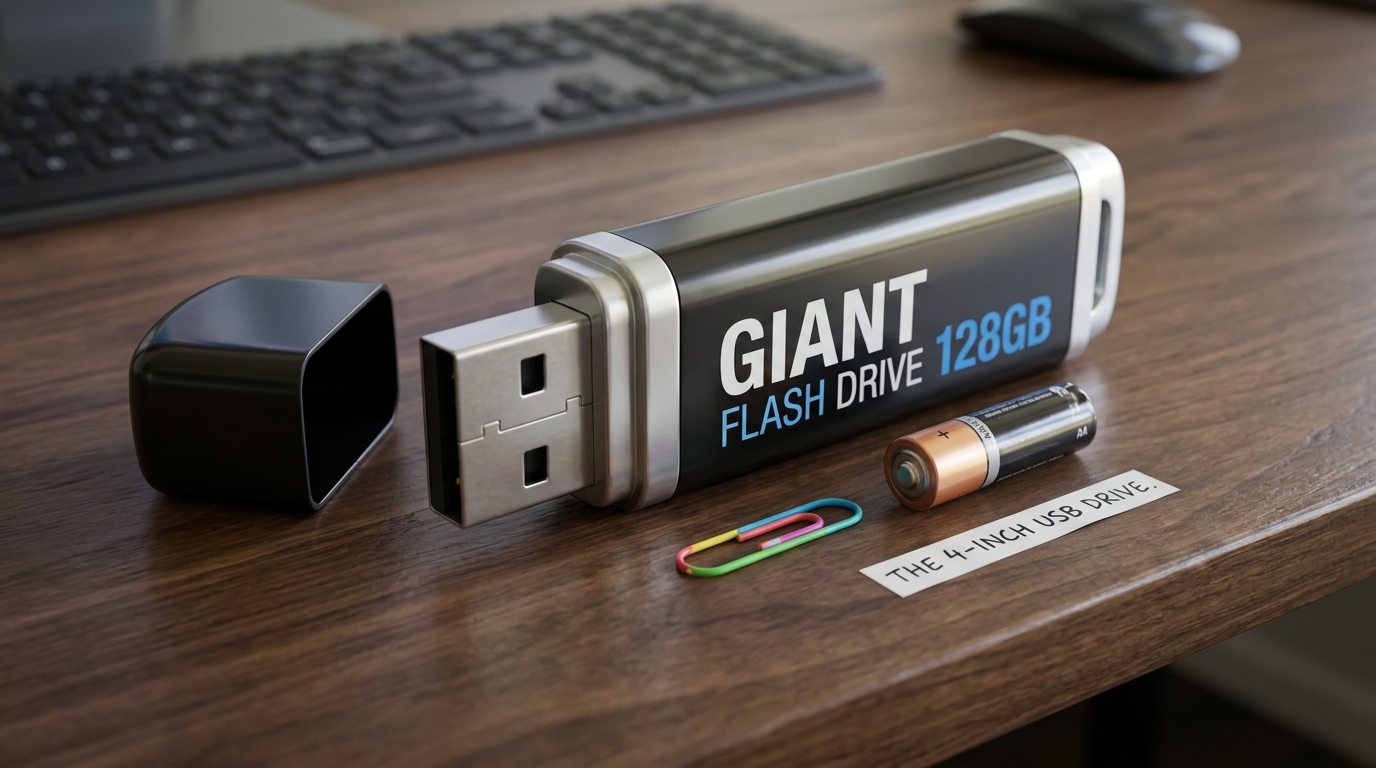
Flash drives come in all shapes and sizes, but the longer models often reach close to four inches end to end. Their rigid, rectangular shape makes it simple to judge length just by looking. The connector on one end also helps define where the measurement starts and stops.
These drives sit in desk drawers, backpacks, and junk boxes almost everywhere. That familiarity makes them a handy go-to reference. Next time you need a quick size check, picture a larger flash drive. It’s a small, everyday object that doubles as a surprisingly reliable measuring tool.
7. Pocket Comb
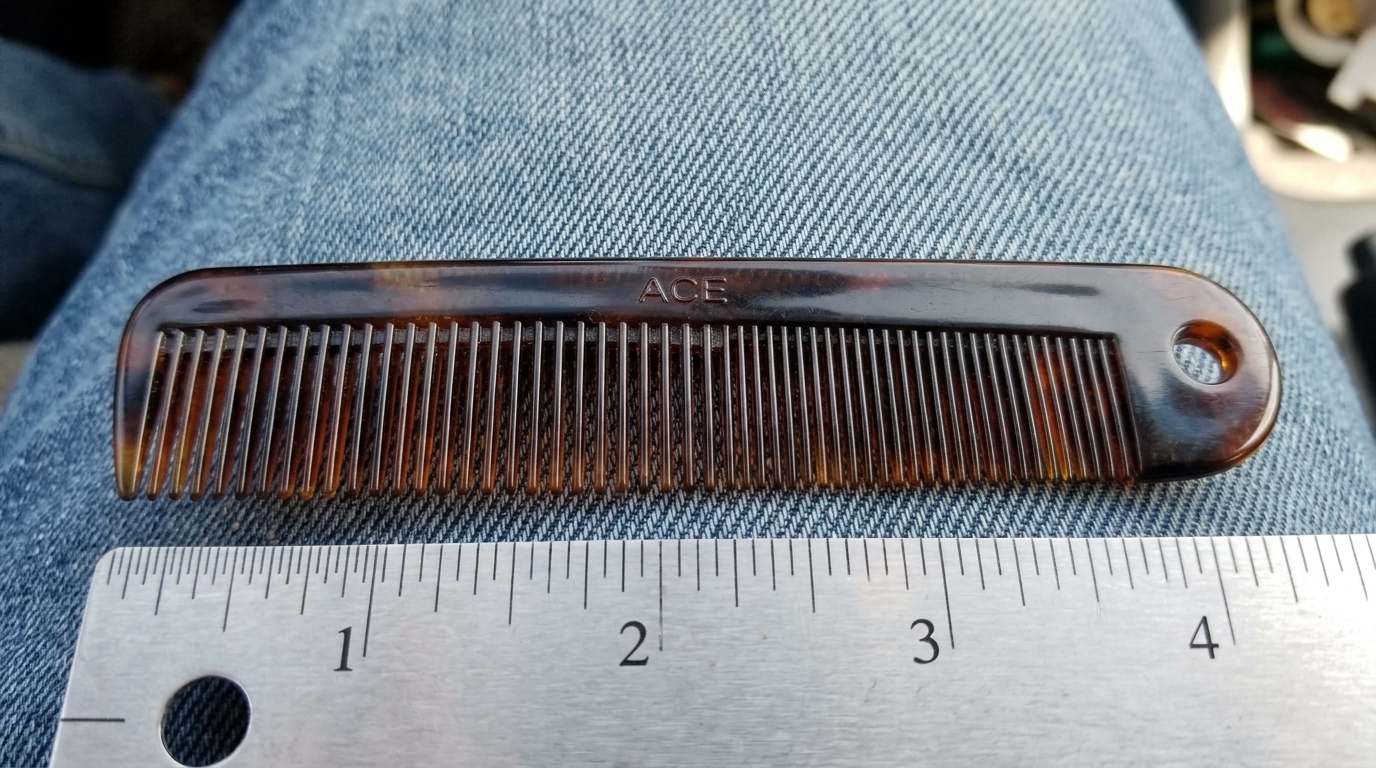
Most pocket combs measure right around four inches. That size keeps them portable enough to fit in a pocket, purse, or travel bag. Their narrow, straight shape makes the length easy to judge at a glance. Nothing about the design overcomplicates the size, which is part of the appeal.
If you’ve ever carried a folding travel comb, you already have a feel for this length. It sits comfortably in your hand without adding bulk. This makes it a solid mental reference, especially for anyone who wants a compact, easy-to-recall example of four inches in daily life.
8. Standard Crayon (Unused)

A brand-new, unsharpened crayon usually measures between 3.6 and 4 inches. Its simple cylindrical shape makes it easy to compare visually against other objects. Since crayons are familiar to just about everyone, from kids to adults, this reference sticks in memory better than more obscure examples might.
Grab one from a fresh box next time you need a size comparison. Its full, unused length gives you a close approximation of four inches. This example works particularly well when you’re explaining measurements to someone in simple, relatable terms, since almost everyone has handled a crayon before.
9. Large Paperclip When Straightened
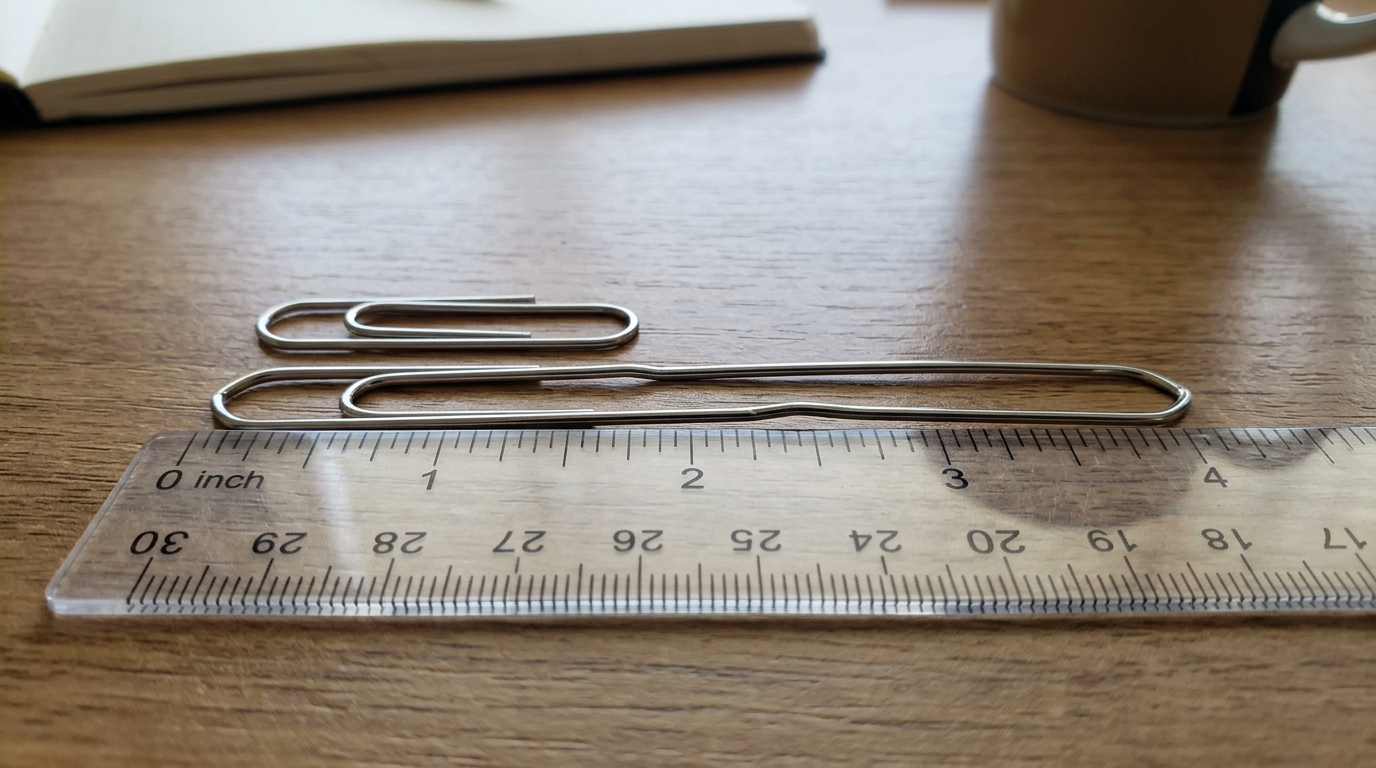
A large paperclip, bent into its usual shape, looks small and unremarkable. Straighten it out, though, and the true length becomes obvious, landing close to four inches. This shift in appearance says a lot about how shape can trick your sense of scale, even with something this simple.
It’s a neat reminder that length isn’t always obvious at first glance. An object’s form can hide its real size until you change its shape. Next time you’re unsure about a small item’s true length, try straightening it out. You might be surprised by what you find.
10. Central Control Section of a TV Remote
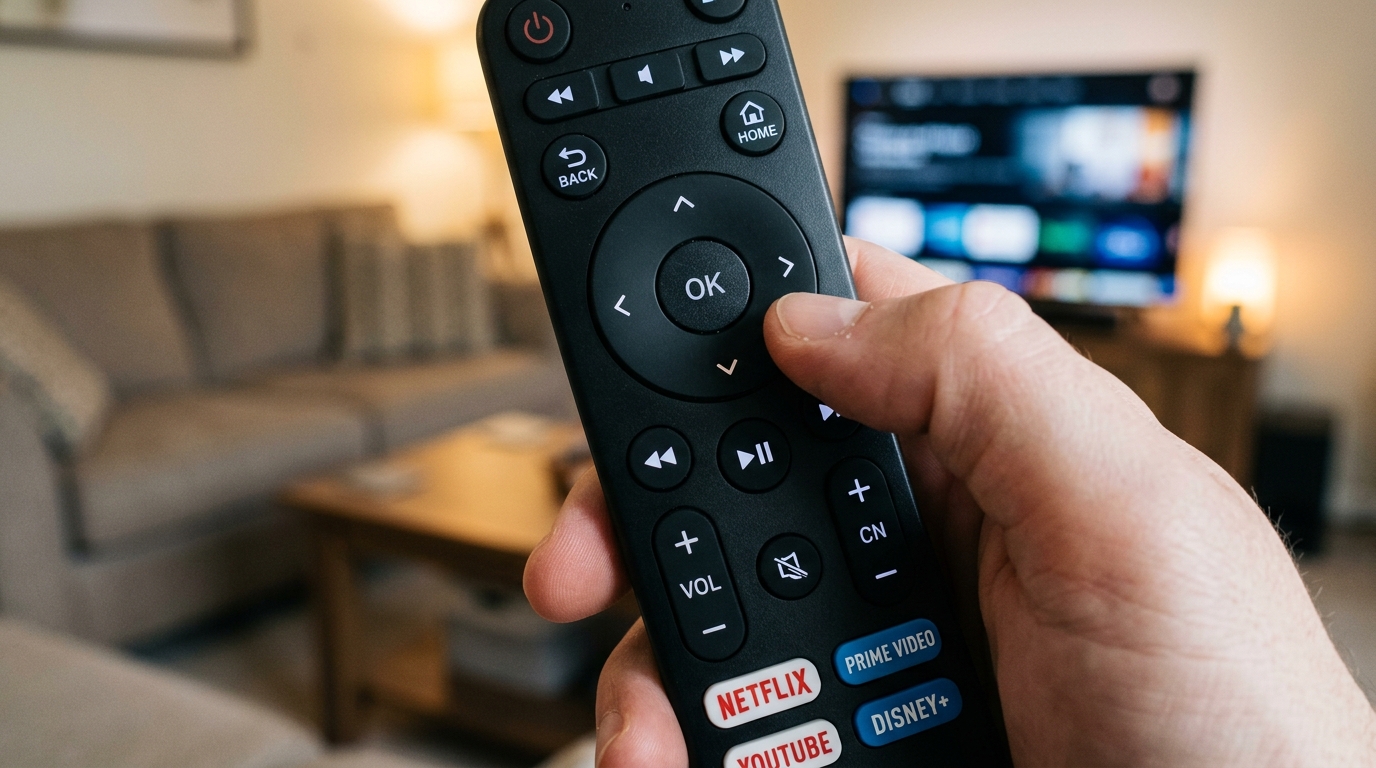
The main button cluster on many TV remotes measures close to four inches from top to bottom. This section sits right under your thumb during regular use, which isn’t an accident. Remote designers build for comfort, and that design naturally lands within the four-inch range for easy reach.
Next time you pick up a remote, look at the navigation buttons and volume controls together. That whole section gives you a practical, hands-on reference. It’s something you touch daily without thinking twice, which makes it an easy size comparison to remember down the road.
11. Short Side of a Pocket Notepad
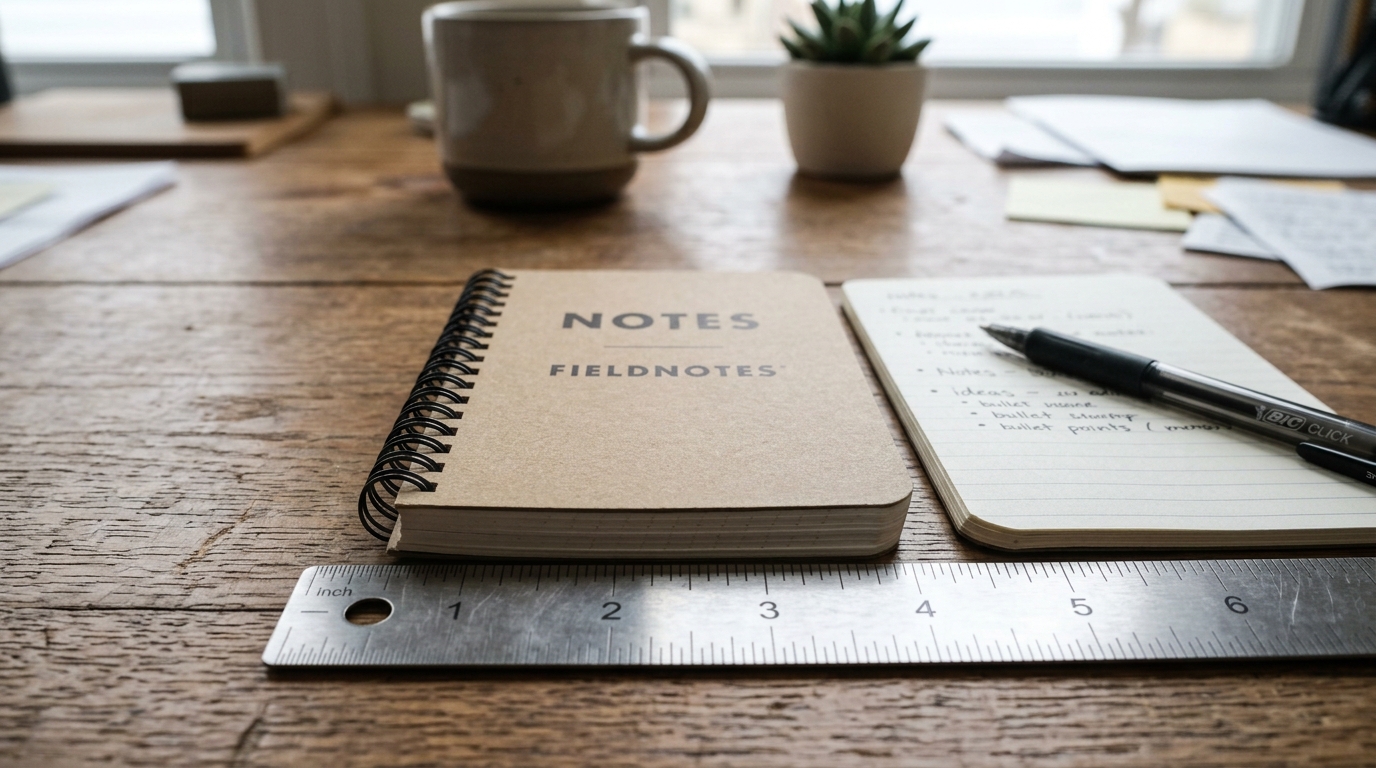
Pocket-sized notepads often measure close to four inches across their shorter side. This size makes them easy to slip into a bag, jacket pocket, or glove compartment. Their flat shape and clean, straight edges make the measurement simple to judge without needing any extra tools or guesswork.
This reference comes in handy for other flat objects too, like envelopes, labels, or printed cards. If you keep a small notepad on your desk or in your bag, take a second look at its width. It’s a quick, built-in size reference you probably already own.
12. Teaspoon Handle
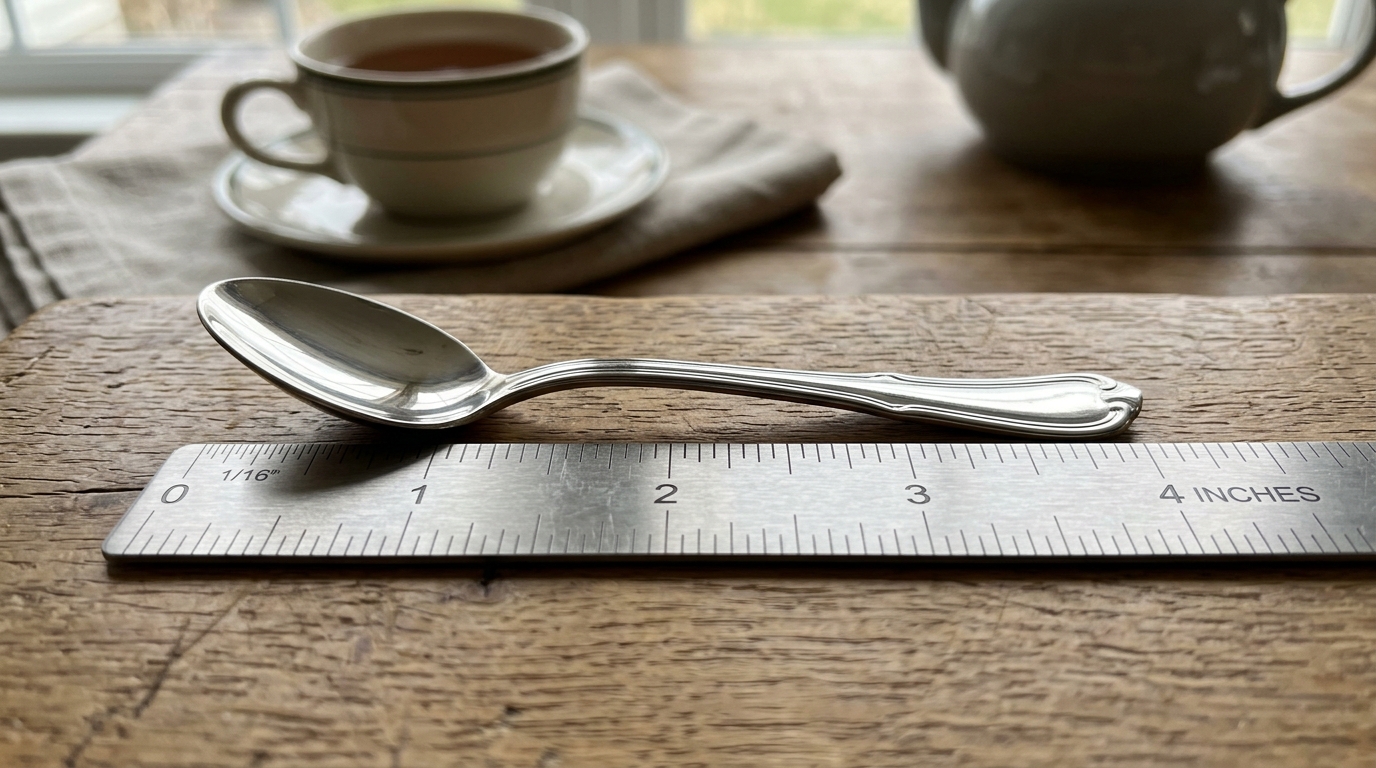
A standard teaspoon handle usually runs about four inches, measured from the end to where the bowl begins. This length gives you a comfortable grip for stirring, serving, or scooping. Since teaspoons show up in nearly every kitchen, this size sticks in memory without much effort at all.
Next time you’re setting the table or making coffee, glance at the spoon in your hand. That handle length is a built-in reference you already carry around, literally. It’s one of the most accessible comparisons on this list, since almost everyone owns a set of spoons.
13. Matchbox Length
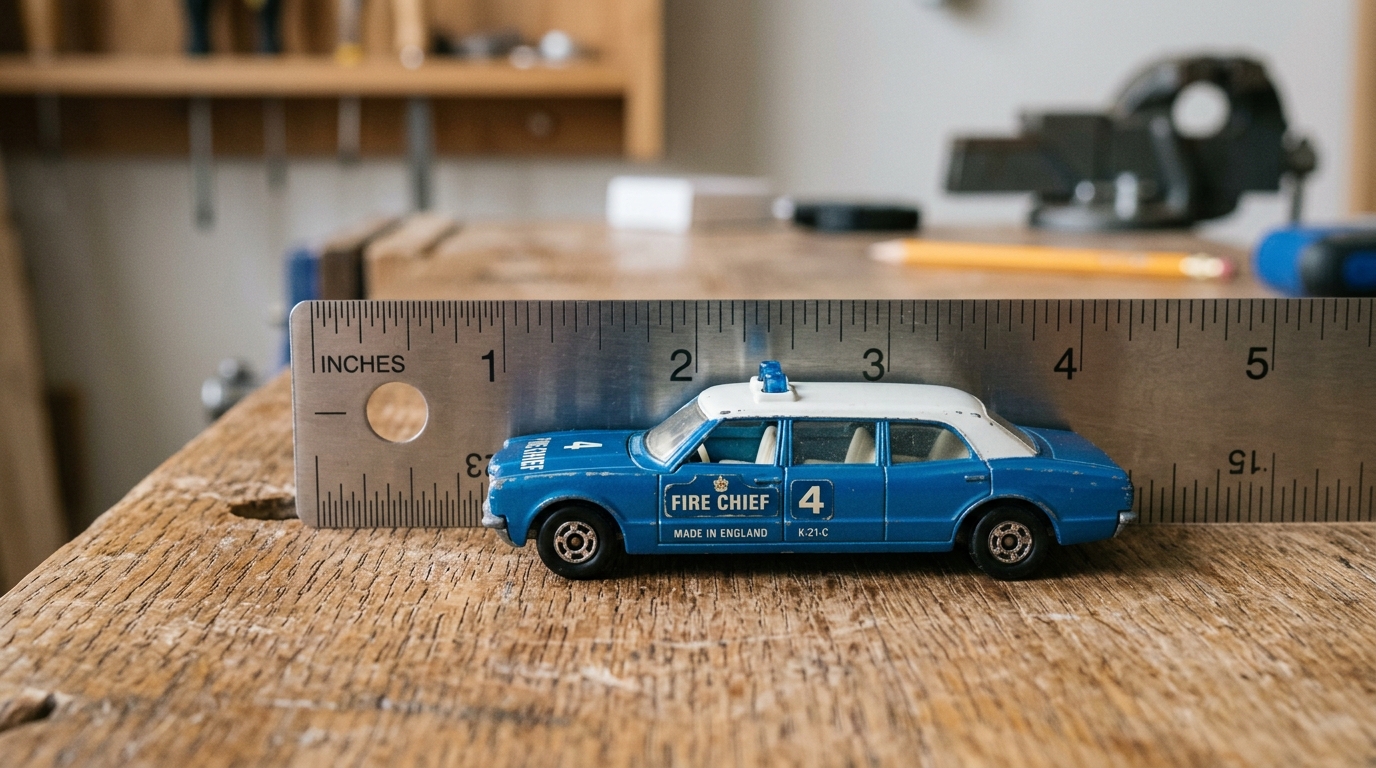
A traditional matchbox measures close to four inches from end to end. Its compact, rectangular shape makes it simple to picture and compare. Matchboxes are built to hold matches securely while staying easy to carry in a pocket or drawer, which keeps their size fairly consistent across brands.
This straightforward shape makes it a reliable go-to reference. If you’ve got one lying around the house, take a second to notice its length. It’s a small, humble object, but it offers a clear, no-fuss way to visualize four inches without needing any special tools.
14. Soda Can Height (Slightly Taller)
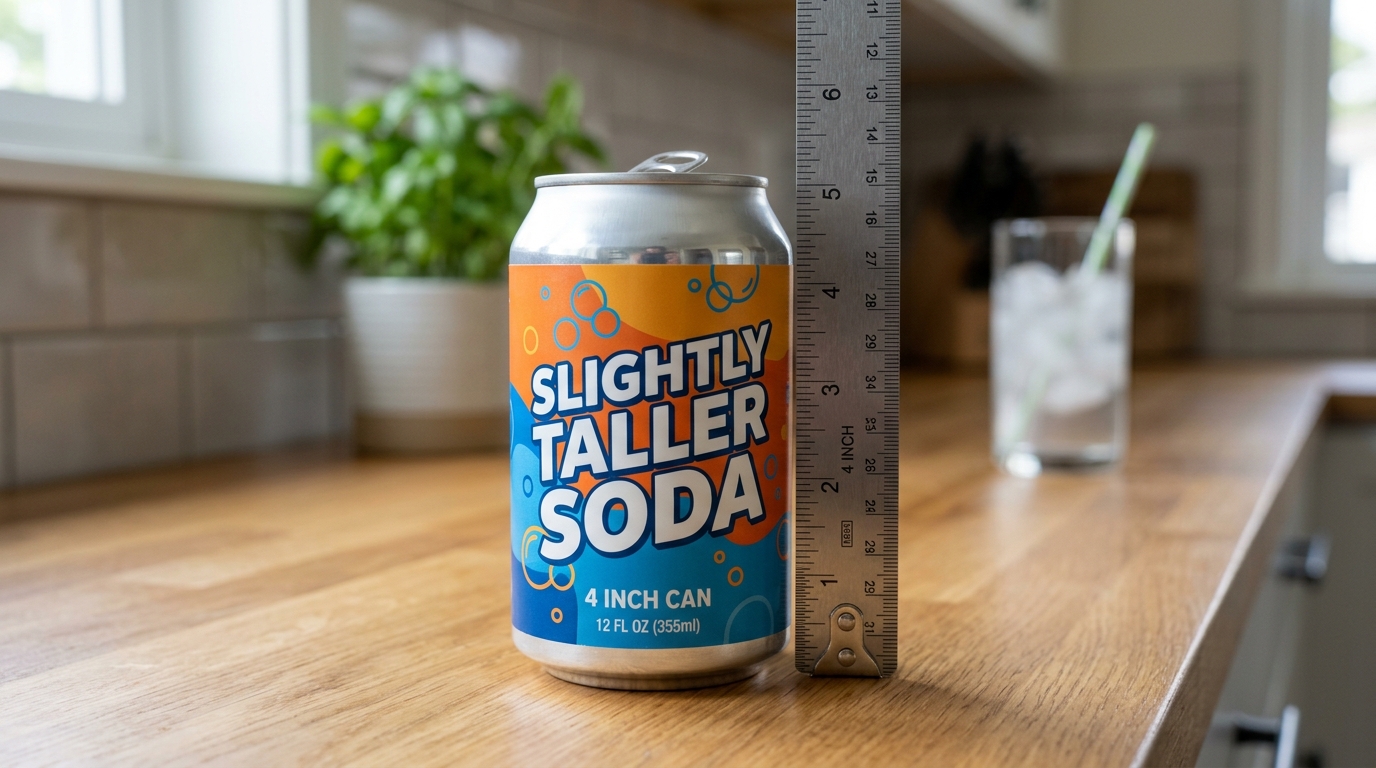
A standard soda can stands about 4.8 inches tall, which puts it slightly above the four-inch mark. It’s not an exact match, but it’s still a useful comparison since soda cans are so common. Picture the can, then mentally trim a small slice off the top for a closer estimate.
This method works well when you need a fast, tool-free size check. Soda cans show up in fridges, vending machines, and recycling bins everywhere, which makes this comparison easy to recall. It’s not precise to the decimal, but it gets you close enough for everyday purposes.
FAQ’S
What does 4 inches look like in real life?
Picture a golf tee or half a stick of butter. Four inches is about the width of your palm, easy to spot once you know it.
How many centimeters is 4 inches?
Four inches equals 10.16 centimeters. That’s a simple conversion to remember when you’re comparing measurements between metric and standard units at home.
Is 4 inches longer than a credit card?
Yes, slightly. A credit card measures 3.37 inches, so four inches is just a bit longer, roughly the width of one fingertip more.
Can I measure 4 inches without a ruler?
Absolutely. Use a golf tee, your palm’s width, or half a butter stick. These everyday objects give you a fast, reliable estimate.
Why does knowing 4 inches actually matter?
It helps with online shopping, small DIY projects, and checking if something fits. A quick mental reference saves you time and guesswork.
Conclusion
So, how big is 4 inches, really? By now, you’ve got a clear answer. How big is 4 inches comes down to everyday objects you already know. A golf tee. A palm’s width. Half a stick of butter. These simple comparisons make the size easy to picture, anytime, anywhere.
You don’t need fancy tools to understand how big is 4 inches. Just remember a few familiar items. Keep this list handy for shopping, DIY tasks, or quick checks. Once you know how big is 4 inches, guesswork disappears. The size becomes second nature, clear and simple, every single time.
