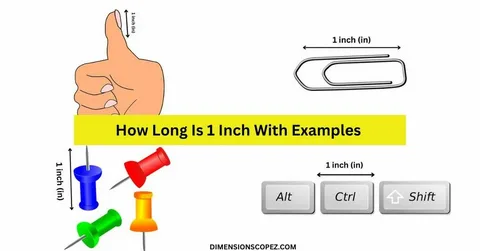

How big is an inch. That’s a question a lot of people ask. Numbers alone don’t always help. You need something real to compare it to. Knowing how big is an inch makes daily tasks easier. It helps with shopping, crafts, and quick measurements. You don’t always have a ruler handy. That’s when knowing how big is an inch really comes in handy.
So how big is an inch in real life. Think of a paperclip or a thumb joint. Both give you a close idea. Understanding how big is an inch helps you picture size fast. It’s a simple skill with everyday use. Once you know how big is an inch, guessing sizes gets easier. You’ll spot it in coins, keys, and small objects around you. This guide breaks it all down simply.
COMPARISON TABLE: INCH VS OTHER UNITS
An inch doesn’t stand alone. It connects to other units you already know. Comparing an inch to feet, centimeters, and millimeters helps you understand its true size. This matters when you’re switching between measurement systems, especially if you shop online or read instructions from different countries. Once you see these numbers side by side, the size of an inch starts to make a lot more sense.
| Unit | Equivalent |
| 1 Inch | 2.54 Centimeters |
| 1 Inch | 25.4 Millimeters |
| 1 Inch | 0.083 Feet |
| 1 Inch | 0.0278 Yards |
These conversions come in handy more often than you’d think. Say you’re reading a product listing that uses centimeters, but you only think in inches. This table bridges that gap instantly. Builders, tailors, and hobbyists rely on quick conversions like these daily. Keep this chart nearby, and you’ll never feel lost switching between imperial and metric measurements again.
VISUAL COMPARISON TABLE: WHAT AN INCH LOOKS LIKE
Numbers only tell half the story. Seeing how an inch compares to real objects makes it click. Below, you’ll find common items and how closely they match one inch. Some are spot on. Others fall a little short or run slightly over. Either way, this table gives you a fast, visual way to judge size without pulling out a ruler every single time.
| Item | Approximate Size | Comparison |
| Paperclip | ~1 inch | Very close |
| Thumb joint | ~1 inch | Close estimate |
| Bottle cap | ~1 inch | Nearly equal |
| Dice side | 0.75–1 inch | Slightly smaller |
| USB connector | ~1 inch | Accurate match |
| Quarter coin | 0.95 inch | Just under |
| Small key | ~1 inch | Close match |
| Lego brick height | ~0.75 inch | Shorter |
Pick any object from this list, and you’ve got an instant measuring tool. That’s the beauty of visual comparisons. You don’t need to memorize decimals or do math in your head. Just glance at something familiar, like a bottle cap or a key, and you already know roughly how big an inch looks. It’s simple, practical, and easy to remember.
Learn more:15 Common Things That Are 6 Inches Long
1. A STANDARD PAPERCLIP
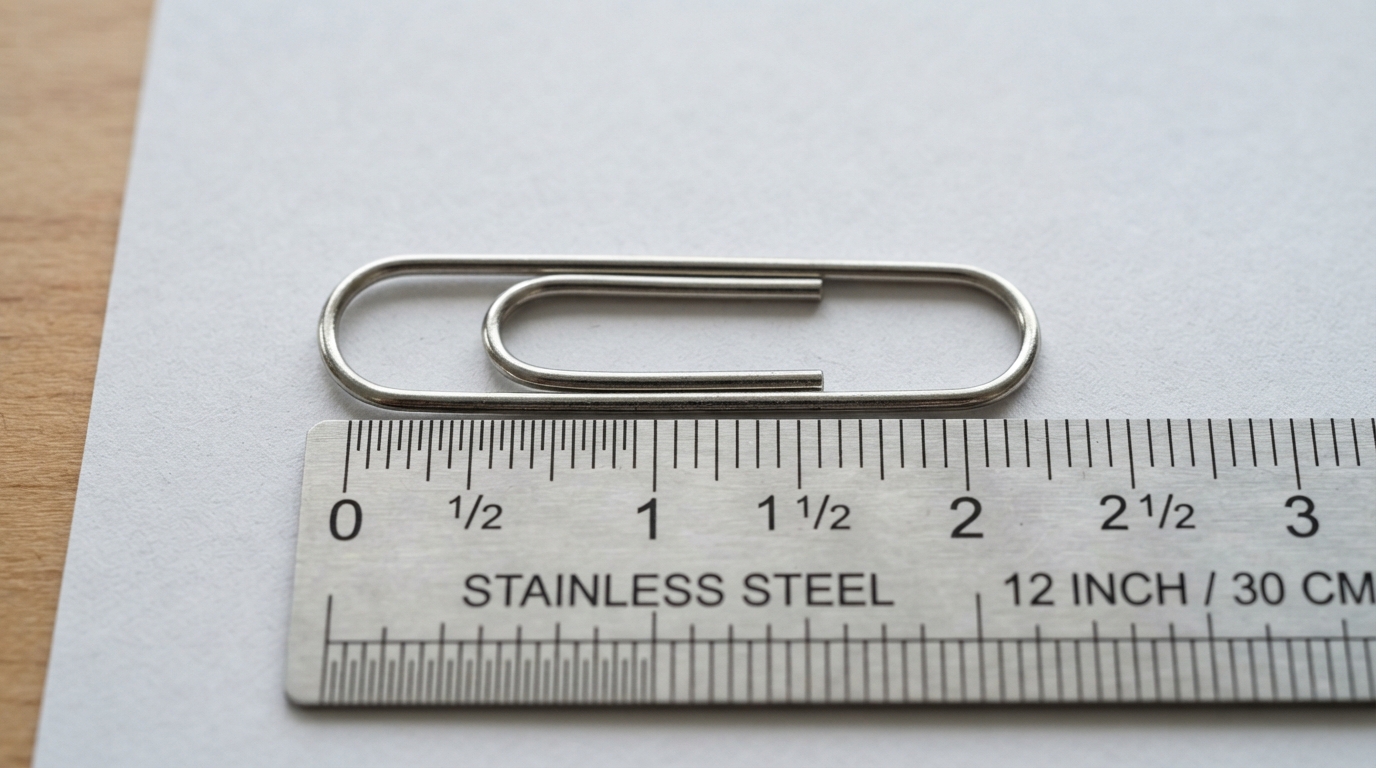
A small paperclip gets pretty close to one inch long. That makes it one of the easiest tools for a quick size check. You’ll find paperclips in almost every home, office, or junk drawer. Because they’re so common, they work great as a backup ruler when you don’t have one nearby. Just straighten it out, and you’ve got a rough one-inch guide.
Paperclips aren’t perfect, though. Sizes shift slightly between brands and styles. Still, the difference stays small enough that it barely matters for everyday use. Teachers often use paperclips to teach kids about measurement, since they’re cheap, familiar, and easy to hold. Next time you need a fast estimate, skip the search for a ruler. Just grab a paperclip instead.
2. THE WIDTH OF A QUARTER COIN
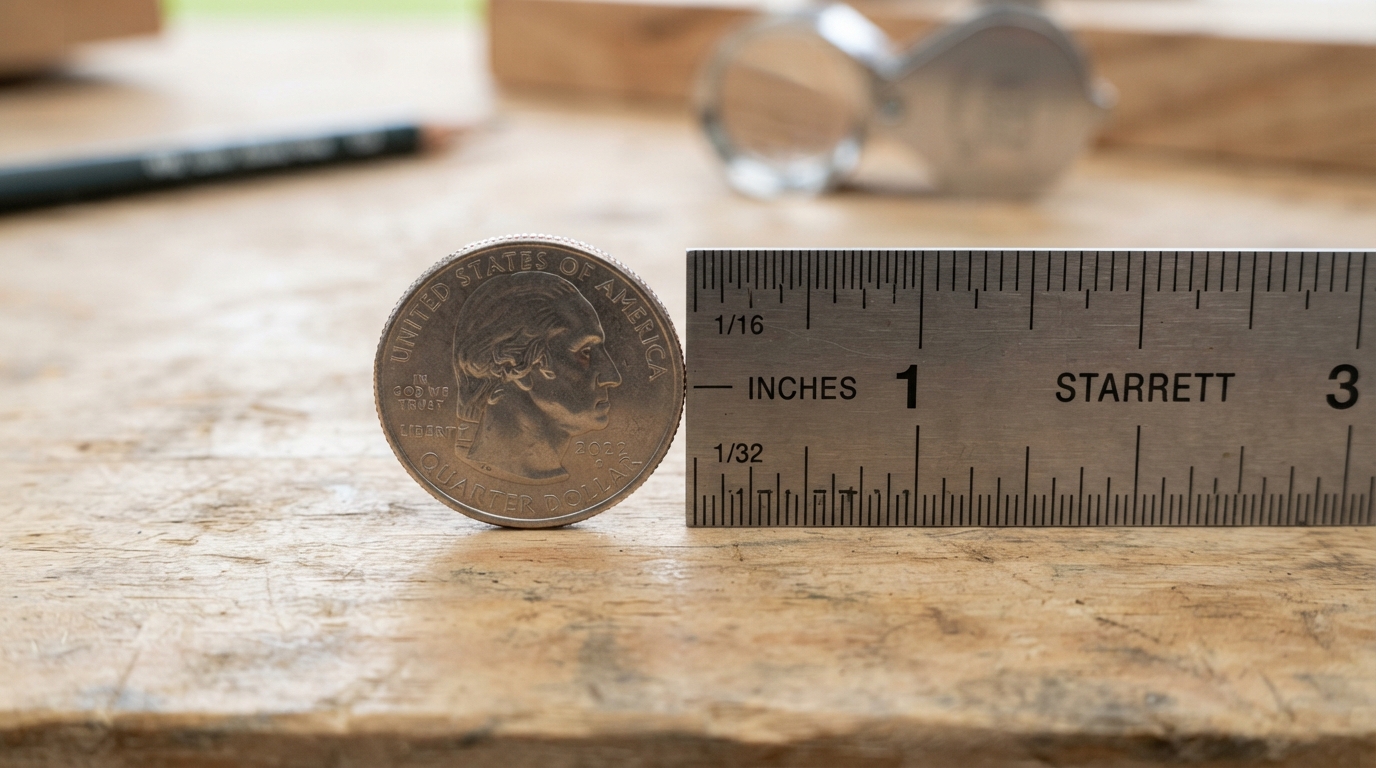
A quarter comes close to one inch wide, sitting at about 0.95 inches. That’s near enough to use as a reliable guide. Since quarters are standardized, every one you pick up will measure the same. This makes them a trustworthy option when you need a quick size reference, whether you’re at home, at a store, or out running errands.
Hold a quarter next to any object, and you’ll get a solid sense of scale. It won’t give you an exact inch, but it lands close enough for casual use. This trick works well when you’re estimating gaps, checking small parts, or sizing up something on the fly. Coins travel with you everywhere, so this method rarely lets you down.
3. THE LENGTH OF A THUMB JOINT
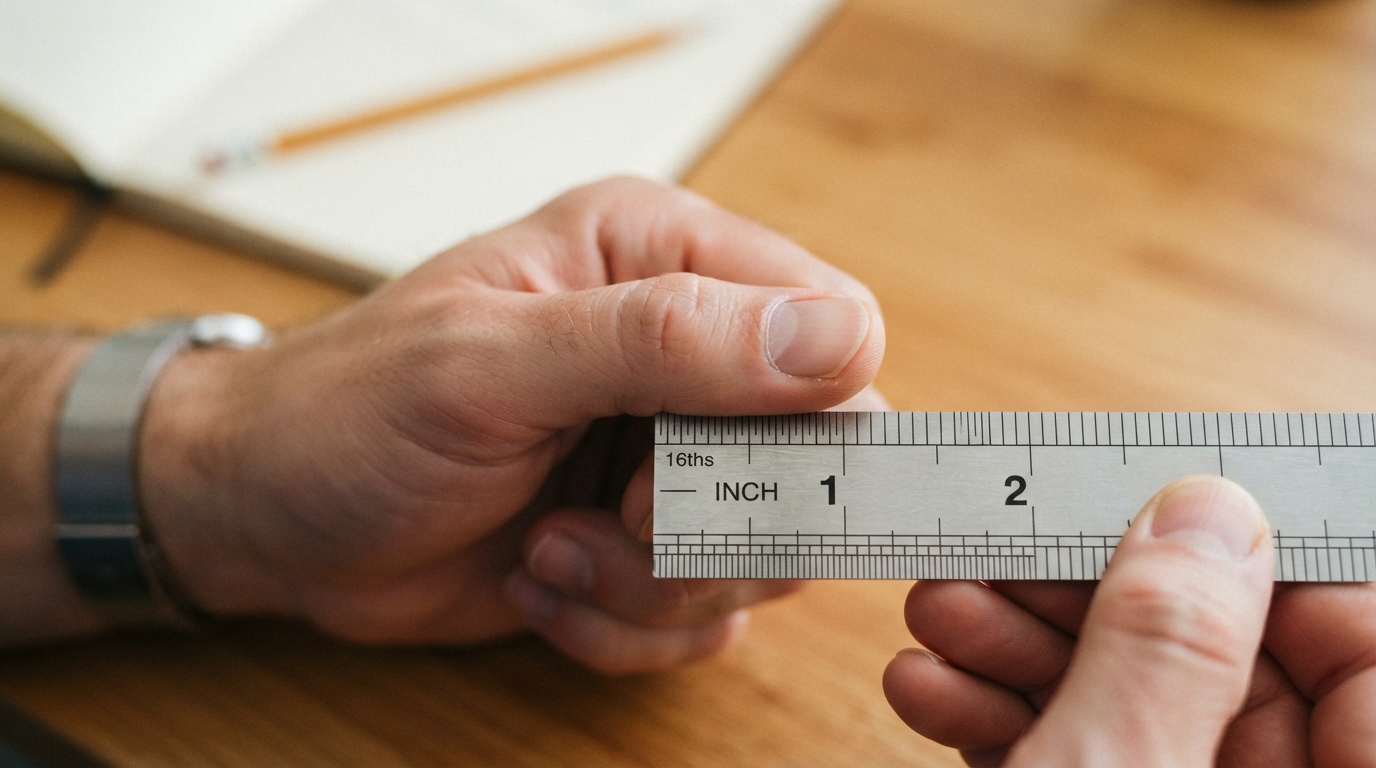
Your thumb carries a built-in ruler. The top joint, from the tip to the first knuckle, measures close to one inch for most adults. This trick dates back centuries, long before tape measures existed. Builders, tailors, and traders once relied on body parts like this to size things up quickly, and the habit stuck around for good reason.
Sizes vary a bit from person to person, so don’t expect perfect accuracy. Still, for rough estimates, your thumb does the job well. It’s always with you, so you’ll never be caught without a way to measure. Next time you need to size something up fast, glance down at your thumb before searching for a ruler.
4. A DICE (ONE SIDE LENGTH)
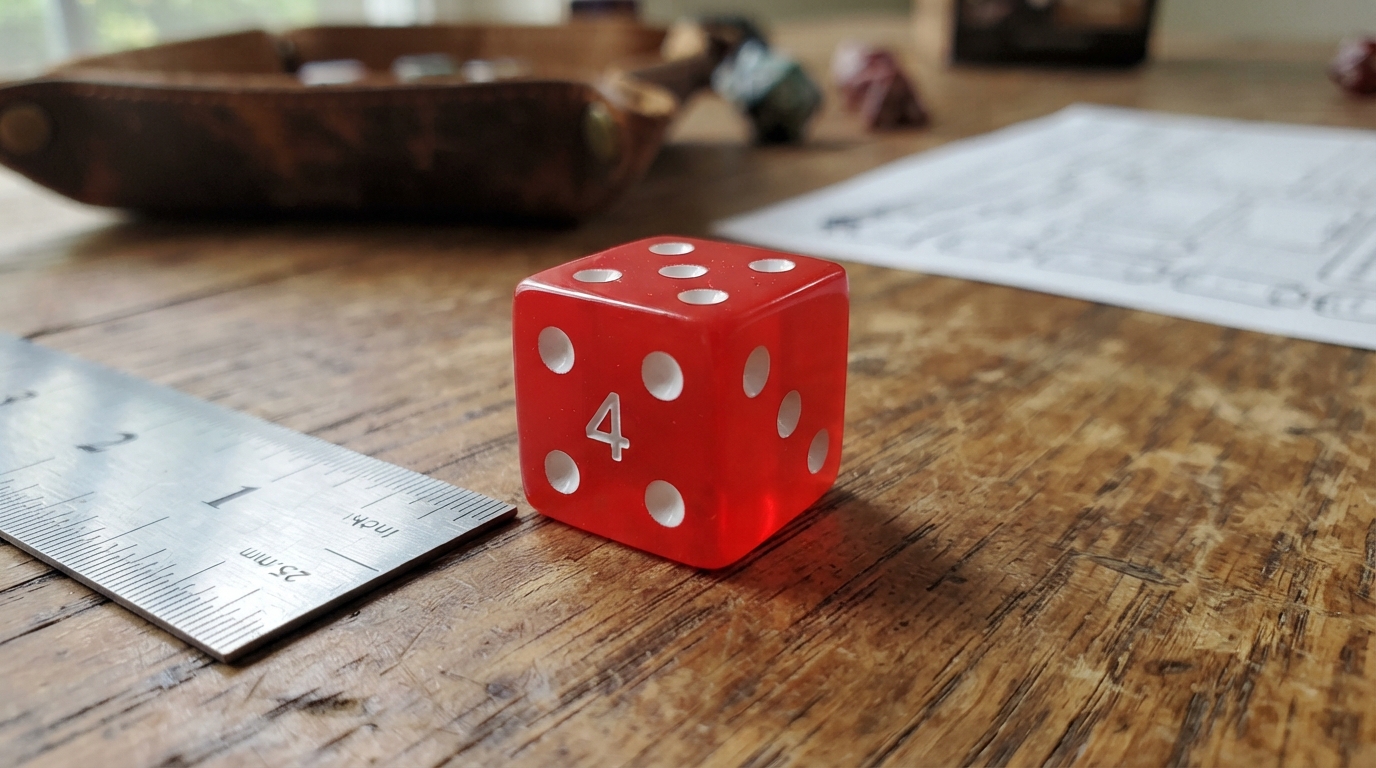
A standard dice measures close to an inch on each side, usually between 0.75 and 1 inch. That makes it a solid, three-dimensional way to picture the size. Dice sit around most homes already, tucked in game drawers or board game boxes, so you likely don’t need to go far to grab one for a quick comparison.
Picture placing a dice right next to a ruler. You’ll notice how close that edge lines up with the one-inch mark. This visual works especially well for people who learn better by seeing shapes rather than reading numbers. If you’re a hands-on learner, keep a dice nearby as your go-to size reference.
5. THE DIAMETER OF A BOTTLE CAP
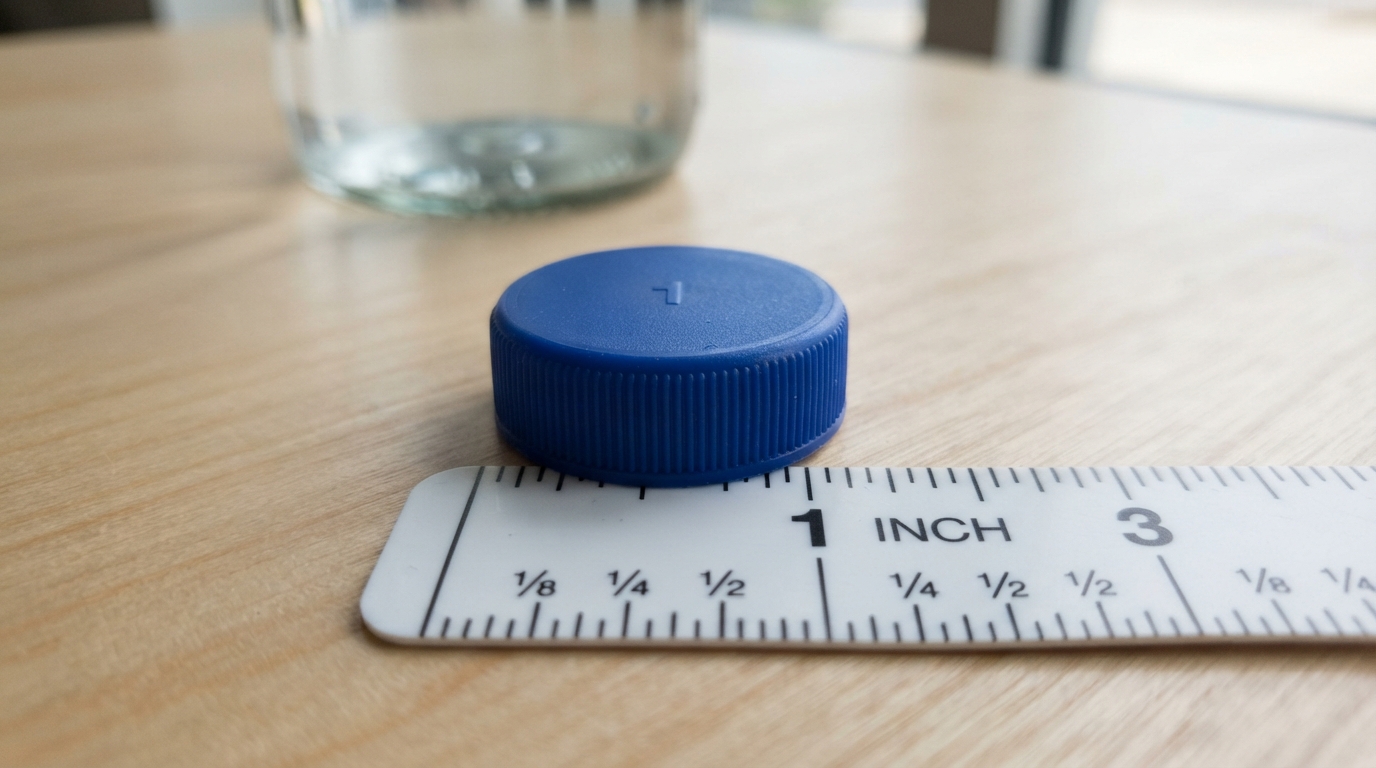
Most plastic bottle caps measure close to one inch across. You’ll spot these caps on water bottles, soda bottles, and juice containers almost everywhere you look. Because they’re so common, bottle caps make a handy, no-cost measuring tool. Sizes shift slightly by brand, but the difference stays small enough to ignore for everyday guessing.
Look straight down at a bottle cap, and that width gives you a clear picture of an inch. This trick works especially well for judging round objects, like small lids or holes. Since caps are made to
fit comfortably in your hand, their size lines up naturally with common measurements. Keep one on your desk for quick reference.
6. A USB FLASH DRIVE CONNECTOR
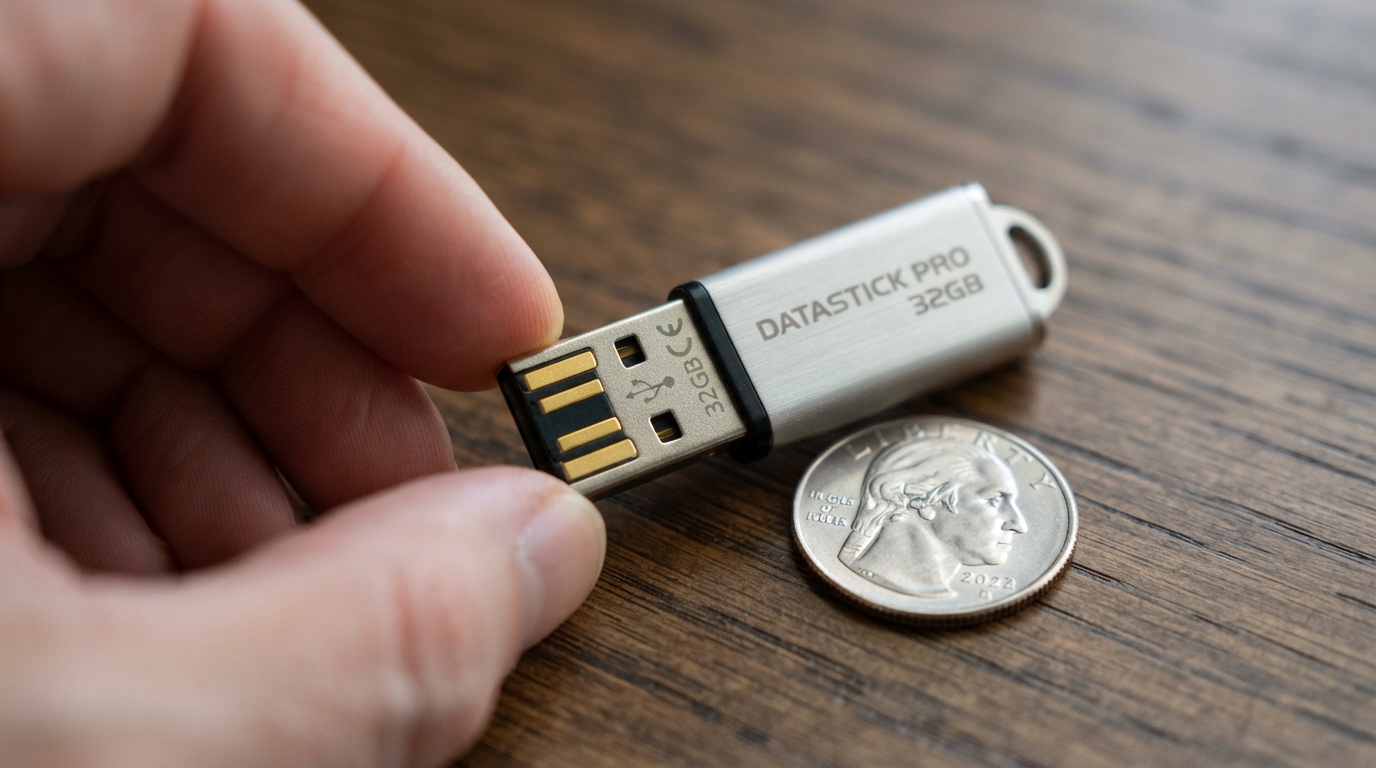
The metal end of a USB flash drive comes surprisingly close to one inch wide. Since USB connectors need to fit precisely into ports, manufacturers keep their size consistent across nearly every device. That precision makes this modern object a dependable, accurate way to picture an inch, especially if you spend a lot of time around computers or tech gear.
Next time you plug in a flash drive, take a second look at that metal tip. It’s a small reminder of how imperial measurements still shape modern design. Even in a mostly digital world, everyday objects like USB drives keep the inch relevant. It’s a neat example of old units meeting new technology.
7. THE WIDTH OF AN ADULT FINGER

An adult finger, not counting the thumb, usually measures around three-quarters of an inch to a full inch wide. This varies more than other examples, since hand sizes differ so much from person to person. Still, it works fine as a rough, no-tools-needed way to estimate width when you’re in a pinch and need an answer fast.
Try placing your finger sideways against an object. You’ll get a decent sense of whether it’s close to an inch wide. This method comes in handy during everyday moments, like checking spacing or describing size to someone else. It’s not exact, but it’s fast, free, and always available whenever you need it.
8. A LEGO BRICK HEIGHT
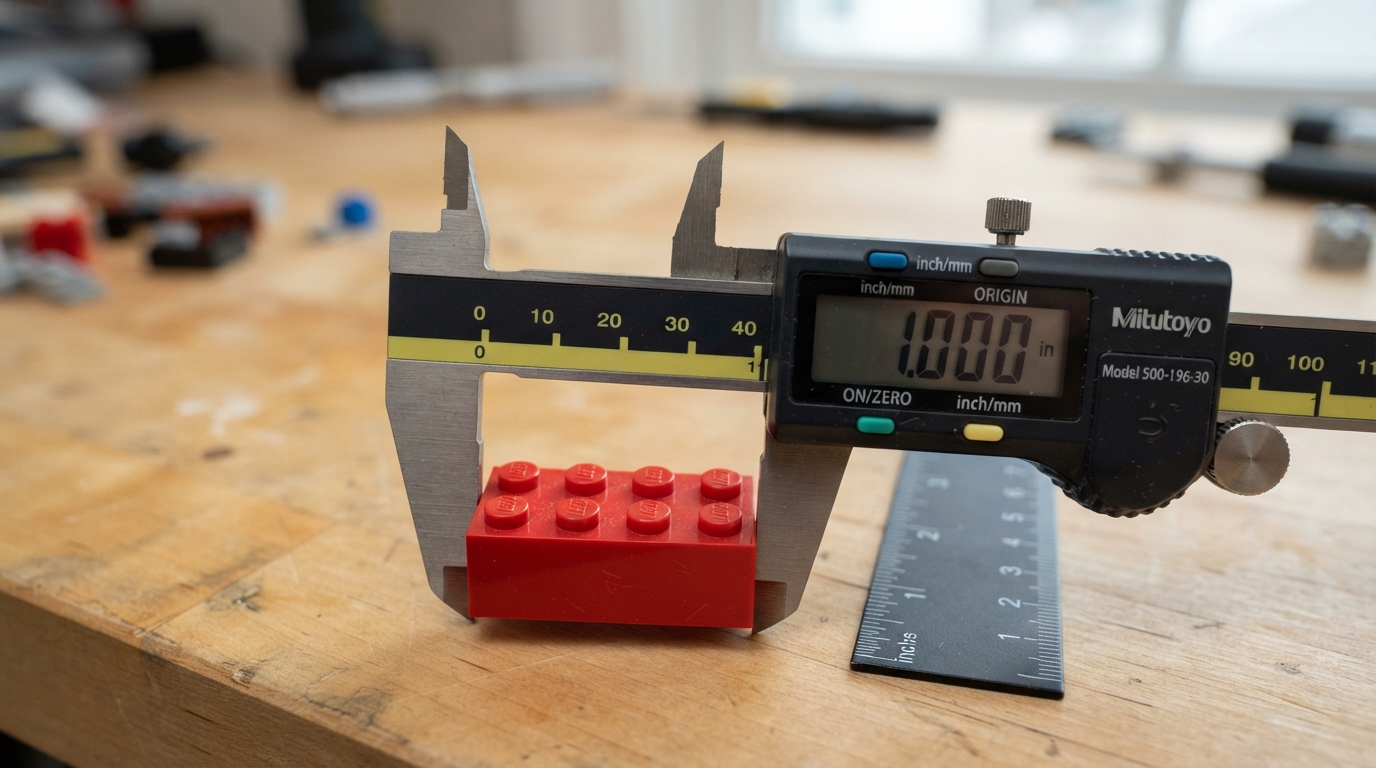
A classic 2×4 Lego brick stands about 0.75 inches tall, just under a full inch. Lego bricks are made with incredible precision, so this height stays consistent across every set, no matter when or where it was made. That reliability makes Lego bricks a fun and surprisingly accurate reference for anyone thinking about small measurements.
Stack a few bricks together, and you’ll start to notice how they build toward a full inch and beyond. This visual works great for kids or anyone who enjoys hands-on comparisons. If you’ve got a Lego collection lying around, it doubles as a handy measuring tool. Who knew playtime could teach you something practical.
9. THE LENGTH OF A SEWING PIN HEAD SECTION
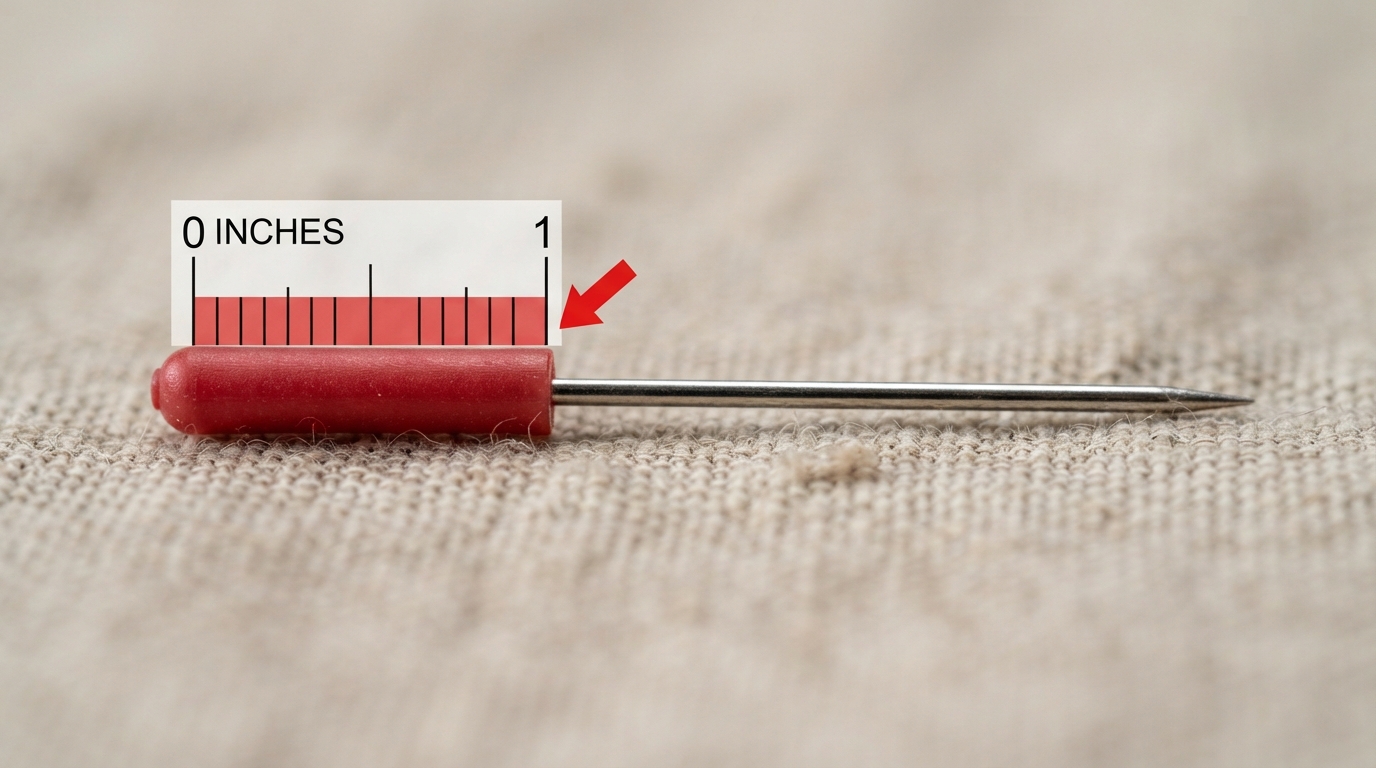
Standard sewing pins often measure close to one inch from head to shaft, not counting the sharp tip. Since sewing tools require precise, detailed work, their dimensions tend to stay consistent and carefully measured. That precision makes pins a surprisingly reliable option when you’re trying to picture small, exact lengths for craft or fabric work.
If you sew, quilt, or work on DIY projects, you probably already have pins within reach. Use them to judge spacing or estimate short distances without hunting for a ruler. This trick works especially well for detailed, small-scale tasks where every fraction of an inch counts toward the finished result.
10. A SMALL KEY WIDTH
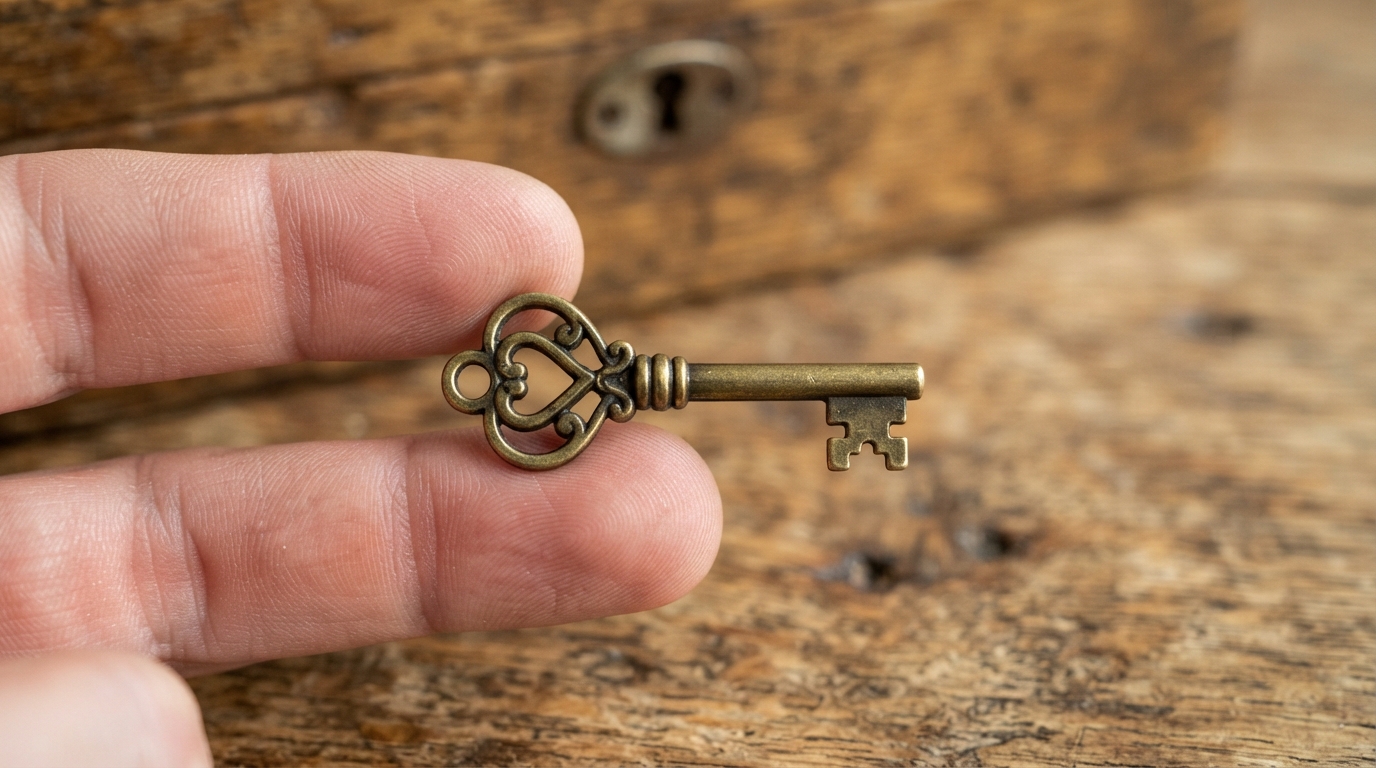
Most small house or drawer keys measure close to one inch wide. Keys come in different shapes, but many everyday ones land right around this size. Since keys are built to be sturdy and easy to grip, their dimensions tend to stay fairly standard. That makes them a convenient, always-on-hand reference for quick measurements.
You likely carry keys with you every day, which makes this comparison especially practical. Hold one flat in your palm, and you’ll get a fairly accurate sense of an inch. Whether you’re out running errands or working at home, your keychain doubles as a simple, portable measuring tool you already own.
FAQ’S
How big is an inch in centimeters?
An inch equals exactly two point five four centimeters. That number stays fixed everywhere in the world, making it easy to convert between imperial and metric systems anytime.
What everyday object shows how big an inch is?
A small paperclip or your thumb’s top joint works great. Both come close to one inch long, giving you a quick, reliable way to estimate size without a ruler.
Is an inch bigger than a centimeter?
Yes, an inch is bigger. One inch equals two point five four centimeters, so it measures more than twice the length of a single centimeter.
How can I measure an inch without a ruler?
Grab a bottle cap, a coin, or your thumb joint. These everyday items measure close to one inch, giving you a fast, tool-free way to estimate.
Why do some countries still use inches?
Inches belong to the imperial system, still used mainly in the United States. Most other countries switched to the metric system for measurements long ago.
Conclusion
So, how big is an inch. Now you know the answer goes beyond just numbers. How big is an inch becomes clear once you picture it next to real objects. A paperclip, a thumb joint, or a bottle cap all show how big an inch truly is. These simple comparisons make daily tasks easier, whether you’re shopping, crafting, or measuring something quick at home.
Understanding how big is an inch gives you a useful skill for life. You don’t need a ruler every time. Just remember these everyday items, and you’ll always know how big is an inch. Keep this guide handy, and measuring will feel simple from now on.
