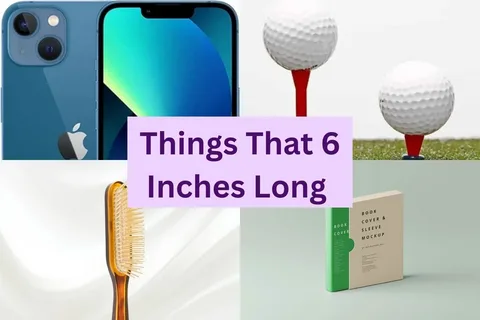

6 inches is a size we see every day. But it’s easy to picture wrong without a ruler nearby. That’s where 15 Common Things That Are 6 Inches Long comes in handy. This list gives you real objects to compare. You’ll spot 6 inches in items you already own. Simple, clear, and easy to picture.
15 Common Things That Are 6 Inches Long makes size guessing simple. No math, no fuss. Just everyday objects you already know. A pencil, a phone, a fork. Each one shows what 6 inches really looks like. 15 Common Things That Are 6 Inches Long turns a tricky measurement into something familiar. Next time you need a quick size check, skip the ruler. Just picture something from 15 Common Things That Are 6 Inches Long instead. It’s fast, easy, and works every time.
Common Objects That Are About 6 Inches Long
Some objects are just built close to 6 inches. You use them every day without ever grabbing a ruler. A pencil sits in your hand at that length. So does a large phone or a dollar bill. These items make great size guides. You don’t need to measure them each time. Just picture one, and you’ve got a solid reference point in your head.
Here’s a quick table to make things even clearer:
| Common Item | Approximate Length |
| Standard pencil | 6 inches |
| Smartphone (large size) | 6 inches |
| Dollar bill (US) | 6.14 inches |
| Kitchen knife blade | 6 inches |
| TV remote (medium size) | 6 inches |
| Adult hand (palm to fingertip) | 6 inches |
| Paperback book width | 6 inches |
| Ruler half-length | 6 inches |
More Everyday Items Around 6 Inches
Beyond the usual suspects, plenty of other items land near 6 inches too. Think about the things sitting in your bag or bathroom right now. An envelope, a comb, or a folded pair of sunglasses. None of these feel like “measuring tools,” but they work just as well. You’ve handled most of them today without even thinking about their size.
Check out this second batch below:
| Common Item | Approximate Length |
| Envelope (long edge) | 6 inches |
| Makeup brush (full size) | 6 inches |
| Hair comb | 6 inches |
| Smartphone charging cable head section | 6 inches |
| Sunglasses (folded) | 6 inches |
| Dessert fork | 6 inches |
| Notepad height | 6 inches |
How Big Is 6 Inches?
Six inches sits right in the middle. It’s not tiny, and it’s not huge either. In numbers, that’s half a foot, or 15.24 centimeters. You’ll spot this size in items you touch daily. Think pencils, remotes, or the edge of a paperback. It’s a size made for the hand. Big enough to notice, small enough to carry around without any trouble.
Compared to smaller lengths, 6 inches stands out fast. Line it up next to something 4 inches long, and the gap is obvious. Even a 5-inch item looks noticeably shorter next to it. That’s what makes everyday comparisons so useful. You don’t need a tape measure. Just grab a familiar object, hold it up, and you’ll get a pretty accurate sense of the size right away.
Learn more:10 Common Things That Are 8 Inches Long
1. Standard Pencil

A regular wooden pencil measures close to 6 inches before you sharpen it. That’s what makes it such a reliable guide. It’s simple, straight, and always nearby. Almost everyone has held one at some point this week. Students use them. Office workers use them. Artists sketch with them daily. That familiarity makes the pencil one of the easiest size references around.
Lay a pencil flat on your desk, and you’ll see exactly what 6 inches looks like. It also helps with smaller comparisons. Something around 4 inches will look clearly shorter next to a full pencil. That contrast makes it easier to judge smaller tools or craft supplies. Next time you need a rough measurement, just reach for a pencil instead of hunting for a ruler.
2. Large Smartphone

Big phones changed how we picture 6 inches. Screens grew larger over the years to handle video, reading, and multitasking better. Most large phones now measure close to 6 inches in height. You probably own one right now. It fits in your hand, yet still feels roomy enough for everyday use. That balance is exactly why this size became so popular.
Hold your phone upright, and you’ve got an instant size reference. No ruler needed. This trick works great for judging bag pockets, box dimensions, or drawer space. Since phones stay in our hands all day, this comparison feels natural. It’s one of the easiest ways to picture 6 inches without stopping to grab any tool.
3. US Dollar Bill
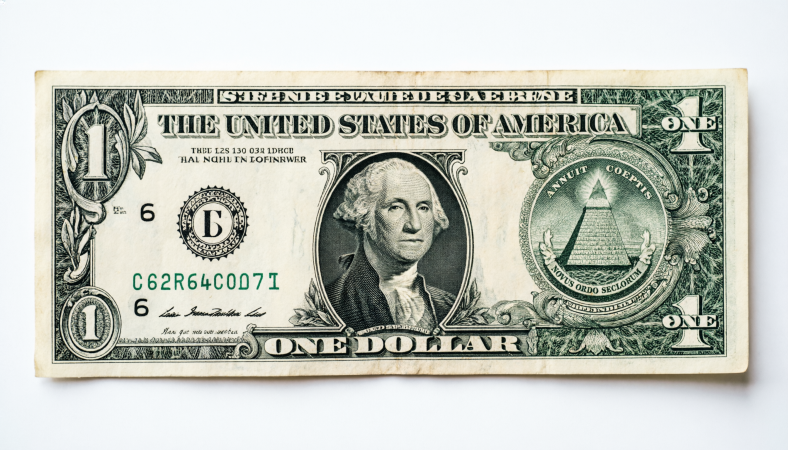
A US dollar bill measures about 6.14 inches long. That’s incredibly close to a clean 6 inches. Since paper currency follows a strict size standard, every bill matches. You’ve probably held dozens of them without noticing their exact length. That familiarity makes cash a surprisingly solid measuring tool when nothing else is around.
Bills are flat and thin, so lining them up against other objects is easy. Try comparing one to something 3 inches long, and you’ll see the bill is roughly double that size. This trick helps with judging small envelopes or wallet compartments. It’s a handy, always-available reference tucked right inside your pocket or purse.
4. Kitchen Knife Blade
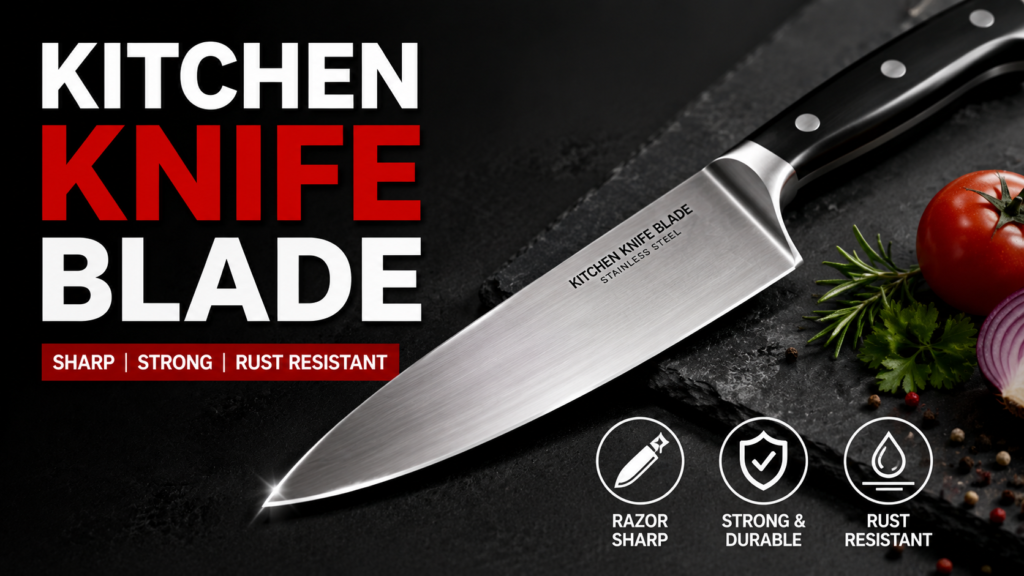
Plenty of kitchen knives come with a blade around 6 inches long. This size hits a sweet spot. It’s sturdy enough for chopping, yet controlled enough for detail work. You’ll find this length in most home kitchens, tucked into a knife block or drawer. It’s a size cooks rely on daily without giving it much thought.
Place the blade on a cutting board, and the length becomes obvious right away. Since knives are rigid and made of metal, their size sticks in your memory easily. This comparison works well for estimating drawer space, cutting board width, or countertop storage. It’s a practical, no-fuss way to picture 6 inches in a kitchen setting.
5. Medium TV Remote Control

Most medium-sized remotes measure close to 6 inches. That length fits comfortably in your palm while still leaving room for all the buttons you need. You’ve probably held one just today, flipping through channels without a second thought. Its familiar shape makes it a handy, no-effort size reference for measuring other things nearby.
Set the remote down on a table or couch, and its length becomes easy to judge. Since remotes see daily use, most people already know their rough size by feel. This comparison works well for estimating drawer space, armrest storage, or small electronics accessories. It’s a size hiding in plain sight, right on your coffee table.
6. Adult Hand (Palm to Fingertip)
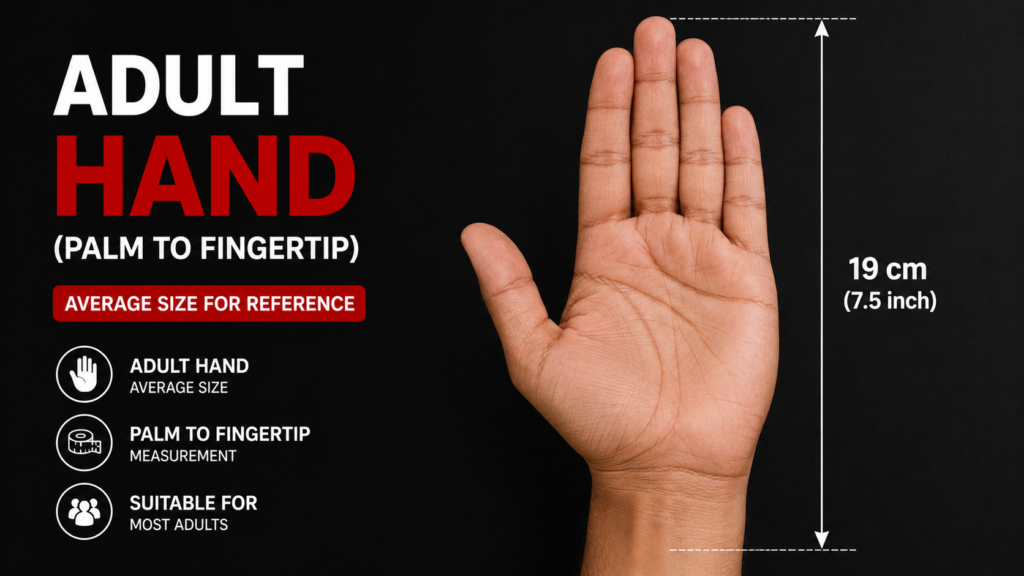
For many adults, the distance from the palm’s base to the middle fingertip lands close to 6 inches. Hand sizes vary from person to person, so this isn’t an exact science. Still, it works well for quick, rough estimates. Builders, tailors, and crafters often lean on this trick when a ruler isn’t within reach.
Your hand travels everywhere you go, which makes it one of the most convenient measuring tools around. It won’t give you laser precision, but it gets you close enough for everyday tasks. Compare it to something smaller, like a 2-inch object, and the size difference becomes obvious fast. That contrast helps sharpen your sense of scale.
7. Paperback Book Width
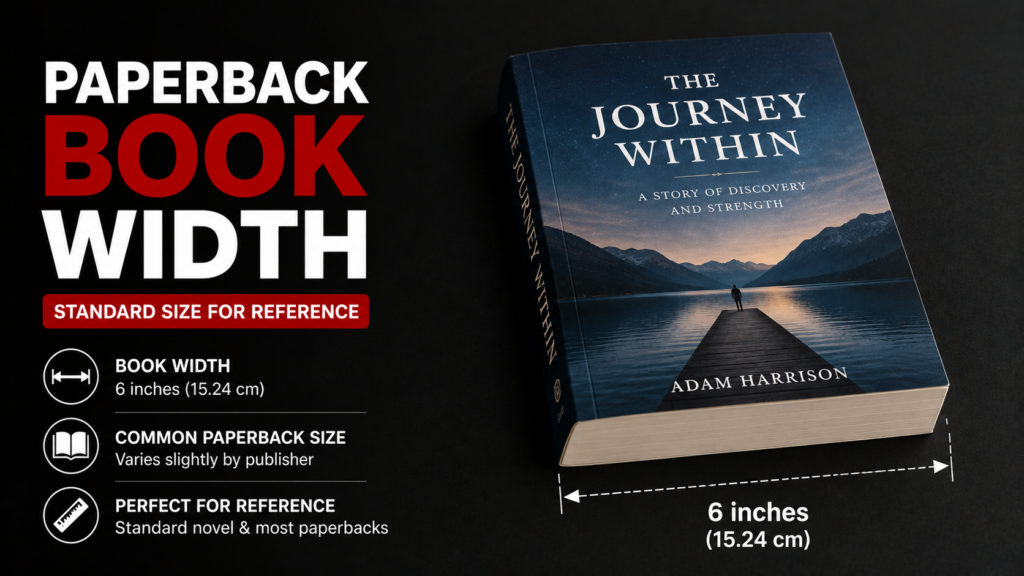
Most paperback books have a width close to 6 inches. That size keeps them easy to hold while still leaving enough room for comfortable reading. You’ve likely stacked a few of these on a shelf without ever measuring them. Their consistent size makes paperbacks a dependable go-to for picturing this particular length.
Lay one flat on a table, and the width gives you a clean, easy reference point. This trick comes in handy for judging shelf depth, bag space, or storage bins. Compare it to a slimmer item, like a 1-inch-thick notebook, and you’ll notice the size gap right away. Small comparisons like this build a sharper sense of scale.
8. Half of a Standard Ruler
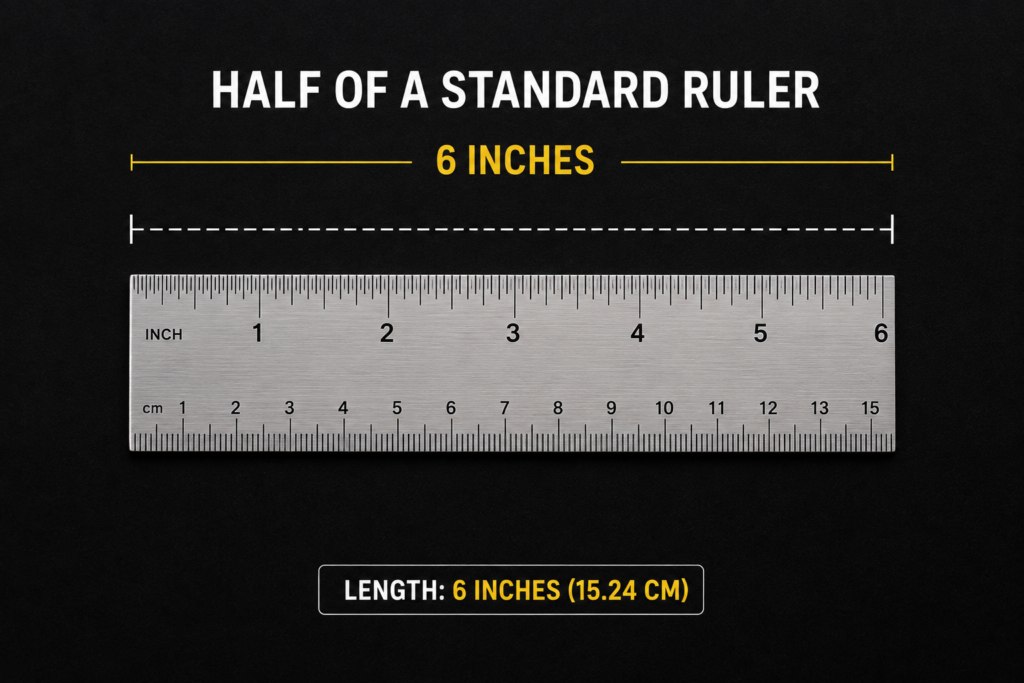
Cut a 12-inch ruler in half, and you get exactly 6 inches. It’s about as precise as a comparison can get. Even without cutting anything, just picturing half a ruler gives you a solid mental image. This trick works especially well for tasks that need real accuracy, like crafting or school projects.
Since rulers exist purely for measuring, they reinforce the true size of 6 inches without any guesswork involved. Next time you’re eyeballing a length, picture that familiar yellow ruler folded in half. It’s simple, reliable, and doesn’t require any fancy tools. Just a bit of visualization, and you’ve got a dependable size reference in mind.
9. Long Edge of an Envelope
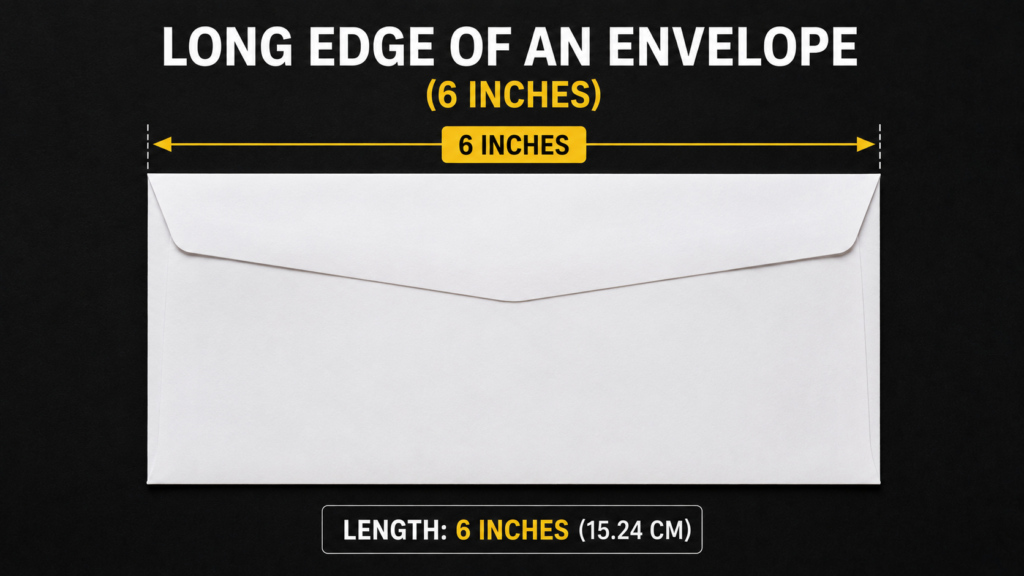
Standard envelopes often have a long edge measuring close to 6 inches. You’ll find these in offices, mailboxes, and junk drawers everywhere. Their flat, rectangular shape makes them easy to line up against other objects for comparison. Since envelopes show up in daily life so often, their size becomes familiar without much effort.
Their straight edges help with visual alignment, especially when judging document sizes or folder dimensions. Stack a few envelopes together, and the 6-inch length becomes even clearer. This comparison works great for estimating mail slot openings or storage folder sizes. It’s a simple, paper-thin trick for picturing a measurement you already handle regularly.
10. Full-Size Makeup Brush
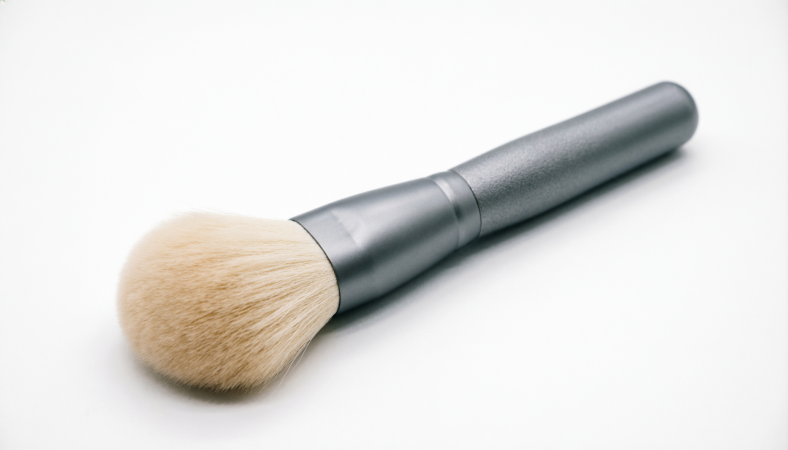
Most full-size makeup brushes measure close to 6 inches. That length gives you enough control during application while still fitting neatly into a cosmetic bag. If you use makeup daily, you’ve likely held one of these brushes without ever thinking about its exact size. It’s a familiar tool hiding a handy measurement.
Lay the brush flat next to another object, and the comparison becomes instantly clear. This trick works especially well for judging travel pouch sizes or organizer compartments. Since these brushes travel with so many people daily, their length sticks in memory easily. It’s a small, practical way to picture 6 inches on the go.
11. Hair Comb
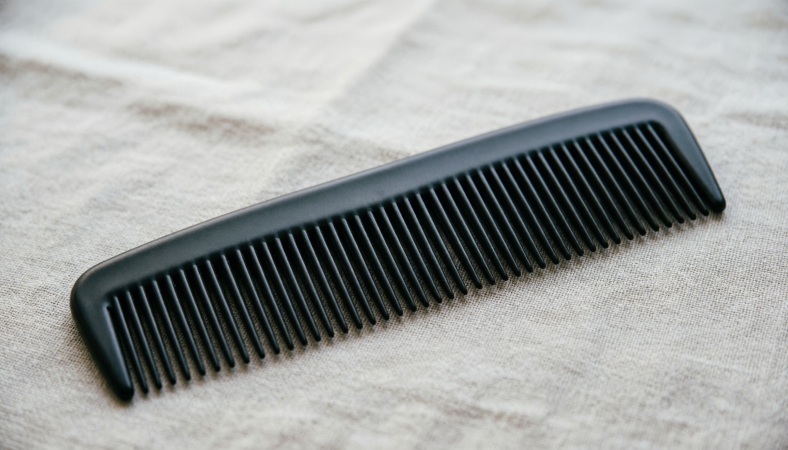
Standard hair combs typically measure around 6 inches long. That size fits comfortably in your hand while still covering enough hair with each stroke. You’ll find combs like this in bathrooms, gym bags, and grooming kits everywhere. Their firm, rigid shape makes their length easy to remember without any extra effort.
Set a comb next to another object, and the 6-inch comparison becomes clear right away. This trick works especially well for judging toiletry bag space or drawer organizers. Since combs are handled so often, most people already have a rough sense of their size. It’s a small, everyday tool that doubles as a handy measuring guide.
12. Charging Cable Head Section
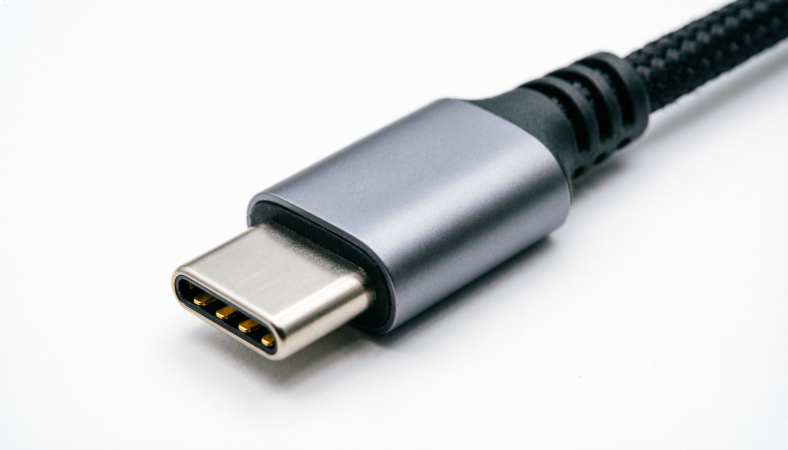
The connector and strain-relief section of many charging cables measures close to 6 inches. This part tends to feel rigid and stands out clearly from the rest of the cable. Since almost everyone uses a charging cable daily, this section becomes a familiar shape without much thought given to its actual length.
Hold the cable head next to another object, and the comparison becomes easy to judge. This trick works well for estimating cable organizer sizes or desk clip spacing. Because charging cables sit on desks and nightstands constantly, their proportions stick in memory fast. It’s a small tech detail that quietly doubles as a size reference.
13. Folded Sunglasses
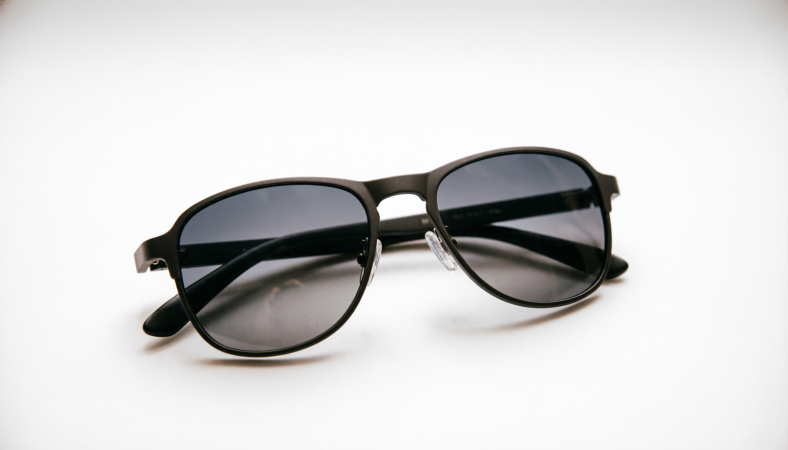
When folded, most sunglasses measure close to 6 inches long. Manufacturers design them this way so they fit neatly into standard cases. You’ve probably folded a pair and tucked them into a bag without ever thinking about their exact size. That compact shape makes them a surprisingly handy measurement reference.
Their straight, tidy form makes visual comparisons simple and quick. This trick works well for judging small storage cases or travel bag compartments. Since sunglasses fold the same way every time, their size stays consistent and easy to recall. It’s a small accessory that hides a dependable, everyday size reference right in its case.
14. Dessert Fork
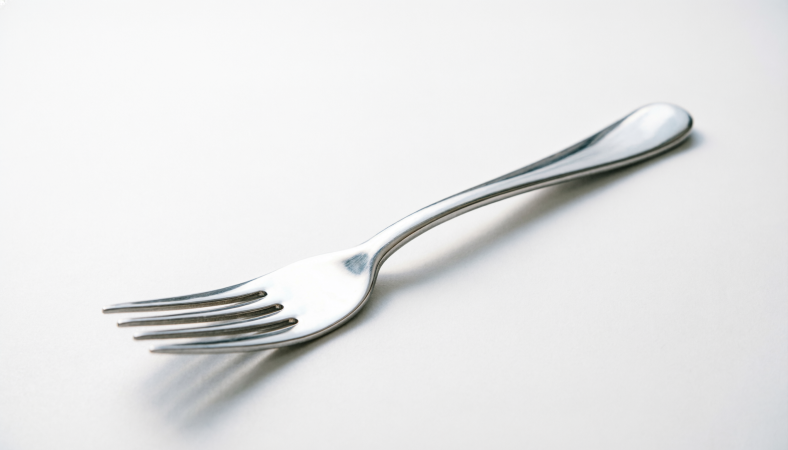
A dessert fork usually measures close to 6 inches long. That size keeps it easy to handle without feeling bulky or awkward at the table. You’ve probably used one at a birthday party or a nice dinner without noticing its exact length. Cutlery sizes tend to stick in memory since we handle them so often.
Lay the fork flat on a table, and its length becomes easy to picture clearly. This comparison works well for judging drawer organizer sizes or utensil holder dimensions. Since forks appear at nearly every meal, their proportions feel familiar fast. It’s a small dining tool that doubles nicely as a quick size reference.
15. Small Notepad Height
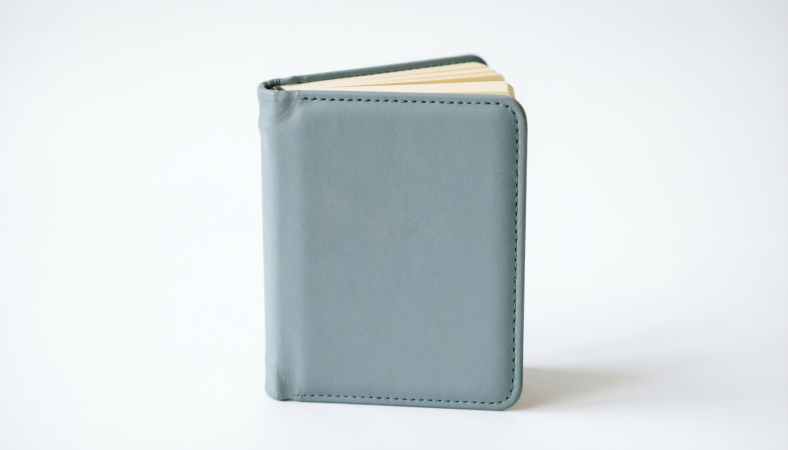
Many small notepads measure close to 6 inches in height. Designers build them this way for easy portability and quick note-taking on the go. You’ve likely held one in a meeting or jotted a grocery list without ever measuring its exact size. That familiar shape makes it a handy, everyday reference point.
Hold the notepad in your hand, and it covers most of your palm at that height. This trick works well for judging planner sizes or journal storage space. Since notepads show up in bags, desks, and pockets their size feels familiar fast. It’s a simple stationery item that doubles as a reliable size guide.
FAQ’S
How long is 6 inches exactly
Six inches equals half a foot, or about 15.24 centimeters. Picture a standard pencil or a large smartphone lying flat in your hand.
What everyday object is closest to 6 inches
A US dollar bill comes very close, measuring 6.14 inches long. It’s one of the easiest, most reliable references people carry around daily.
How can I measure 6 inches without a ruler
Use your hand. For most adults, palm to middle fingertip measures close to 6 inches, giving you a quick, no-tool estimate anywhere you go.
Is 6 inches bigger than a smartphone
Not quite. Many large smartphones measure right around 6 inches tall, making them a solid, pocket-sized reference for picturing this exact length.
What’s half of a 12-inch ruler
Exactly 6 inches. Splitting a standard ruler down the middle gives you one of the most precise, no-guesswork ways to visualize this measurement.
Conclusion
6 inches shows up more often than you think. From a pencil to a phone, 6 inches hides in plain sight all around you. Once you know the size, you start spotting 6 inches everywhere. That’s the real value of this guide. No ruler needed, just a quick glance at something familiar.
Next time you need to picture 6 inches, skip the guesswork. Grab a dollar bill, a fork, or your own hand. Each one shows you what 6 inches truly looks like. Simple objects make 6 inches easy to remember. Keep these examples in mind, and 6 inches will never feel confusing again.
